I spent six years behind the counter of a big-box golf store, fitting clubs and regripping grips for anyone who walked in with a question and a card. What stuck with me was never the launch monitor data. It was the markup math. The brush on the rack cost the shop a few bucks. The driver cost a fraction of the sticker. Once you have seen that spreadsheet, affordable golf gear stops looking like a compromise and starts looking like the smart side of the bet.
So this is the short list I hand to a friend who is building a bag on a real budget and wants gear that survives a full season. Four items, four different jobs: keeping grooves clean, making your own grips, knowing your yardages without a subscription, and walking 18 without wrecking your feet. I am a former fitter and repair tech, so I care less about what a product does on day one and more about what breaks on day 200. I keep a spreadsheet of months owned and rounds played per item, and I update my reviews at week three and month six. Where I have not lived with a specific unit, I will say so instead of pretending.
The short answer: if you buy only one thing here, buy the regripping kit. Grips are the cheapest way to change how a club feels in your hands, and the vise setup pays for itself after one full set. If your grips are already fresh, buy the groove tool, and buy two of them.
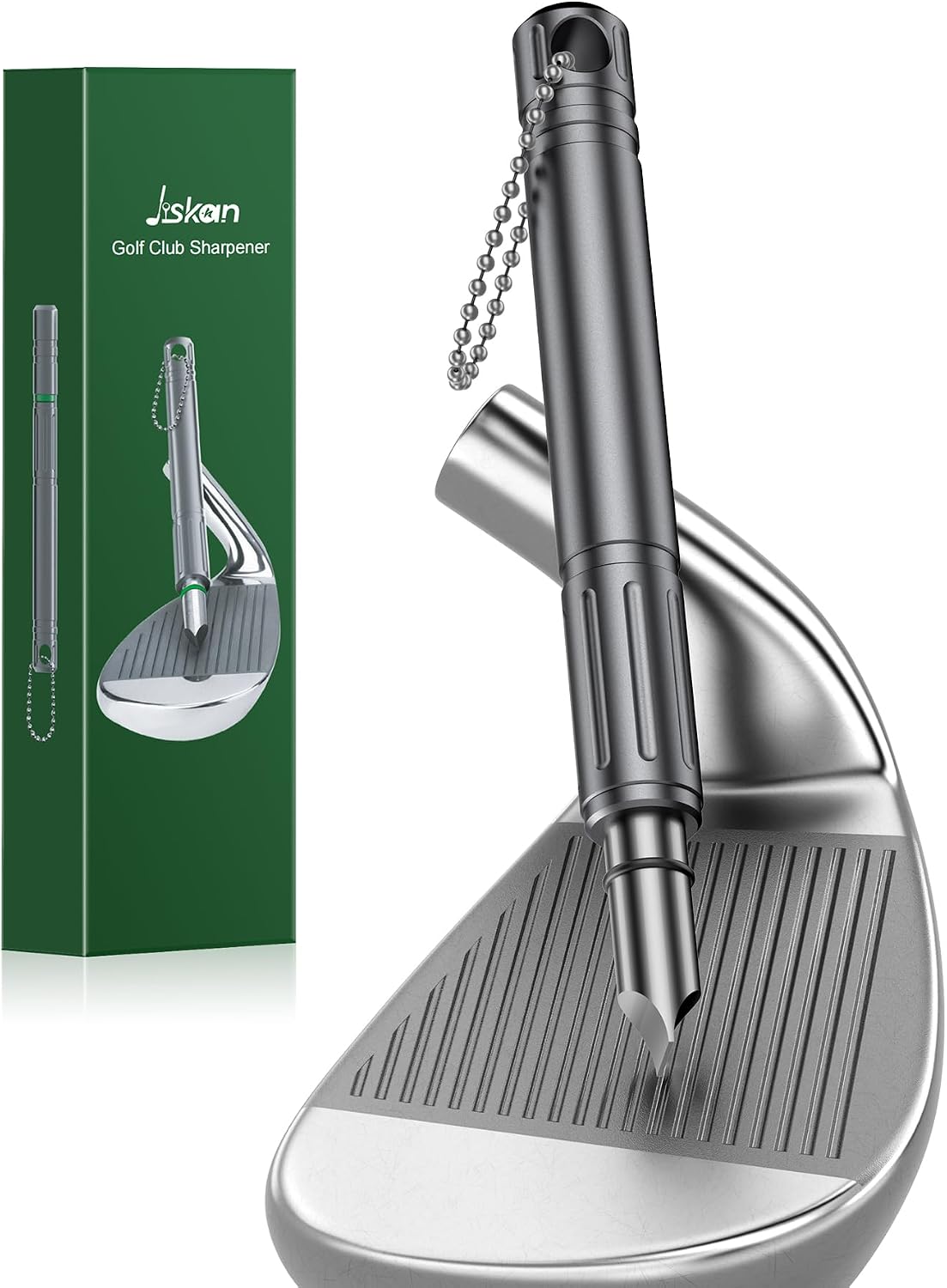
Jiskan Pro Groove Sharpener and Cleaner Tool
Angled head and a built-in water reservoir clean grooves without you spitting on a wedge; cheapest real performance gain on this list
The lanyard is string, and string lanyards snap; mine gave out after about two years of heavy use
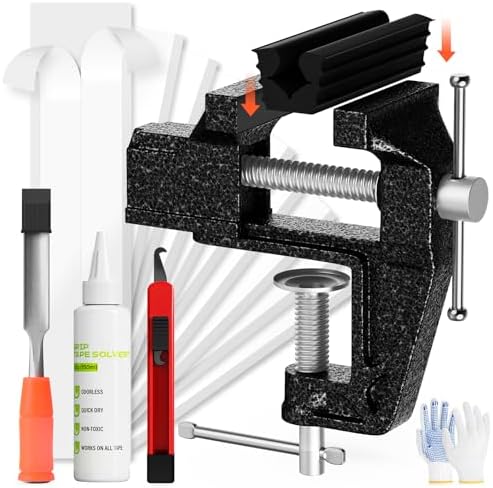
Golf Club Regripping Kit with Bench Vise
Vise, rubber clamp, solvent, tape strips, and tools in one box; turns a shop errand into a 30-minute job at home
You need a bench or a sturdy table, ventilation for the solvent, and you still have to buy the grips separately
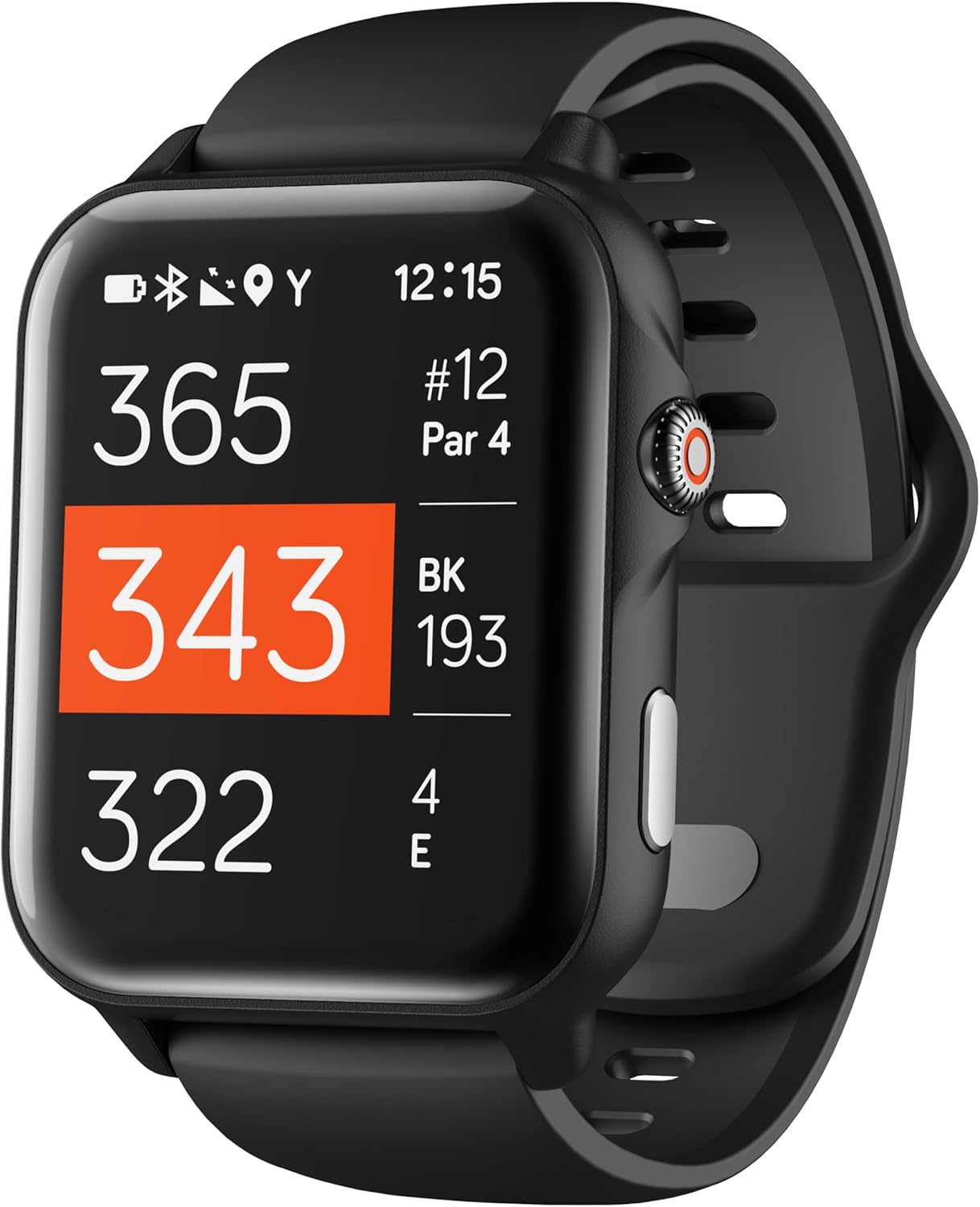
NAVO W1 Golf GPS Watch
Front, middle, and back distances plus hazard tracking with no subscription, which is where cheap watches usually get expensive
A watch reads the green, not the flag; there is no pin lock, so it is not a rangefinder replacement
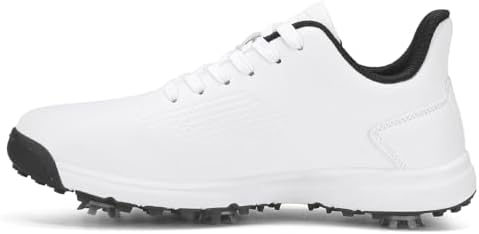
Golf Shoes, Lightweight Waterproof Spikeless
Waterproof, lightweight, spikeless, non-slip outsole, and made for all-day comfort at a price that does not sting
Fit is the entire ballgame with shoes, and spikeless tread trades maximum bite for comfort in wet conditions
Prices and availability were captured from Amazon Creators API and may change.
How I judge cheap golf gear
I run every product through the same four questions, and they have not changed in twelve years of playing and six years of fixing clubs. First: what does it do that the cheapest version does not? Second: will it survive bouncing around in a bag for a season? Third: what breaks first, and can I fix or replace that part cheaply? Fourth: would I still recommend it after six months of real rounds?
That last one is the filter. Almost everything works on day one. Marketing is written for day one. What I want to know is whether the lanyard is string, whether the solvent cap cracks, whether the watch band survives a summer of sunscreen, whether the waterproof membrane still works after twenty rounds in dew.
Cost of ownership matters as much as purchase price. A grip that costs a few dollars and lasts a season beats a premium grip that costs three times as much and lasts eighteen months, unless you are chasing a specific feel. A tool that lets you regrip your own clubs at home beats paying a shop labor on every set for the rest of your golf life. That math is boring, and it is also the whole game.
Grooves are free spin
Clean grooves are free spin. That is not a slogan, it is the reason a wedge that bit on the first hole stops checking up by the fourteenth: dirt, grass, and sand pack into the grooves and the face stops grabbing the ball. The Jiskan Pro groove tool is a small, angled brush with a water reservoir built into the handle, which sounds like a gimmick until you use it. The reservoir means you are not spitting on your wedge or licking the face like an animal before every shot.
I have used this one heavily enough to break it in. The angled head gets into the grooves of wedges and irons without you having to contort your wrist, and the water keeps the bristles cutting instead of just smearing mud around. The caveat is the lanyard. It is string, and string lanyards snap. Mine gave out after about two years of hanging off the bag, which is the only real complaint I have.
At this price, the answer is simple: buy two. One lives in the bag, one lives in the garage or the trunk. If the lanyard goes, you replace it with a real clip or a zip tie for nothing, and you keep using a tool that costs less than a sleeve of premium balls and does more for your score.
Grips: the upgrade nobody wants to pay for
Here is the insider version of the grip conversation. Grips are the cheapest way to change how a club feels, and they are the most neglected part of the bag. People will spend hundreds on a new driver and then play a slick, glazed grip for three seasons because they do not want to pay a shop to swap it.
The Golf Club Regripping Kit with Bench Vise attacks that problem directly. You get a vise, a rubber clamp that holds the shaft without crushing it, solvent, tape strips, and the tools to do the job. If you have a workbench, a garage, or a sturdy table you do not mind clamping to, this turns a shop errand into a 30-minute project, and it lets you do a full set in one afternoon.
What I would tell anyone buying this: grips are not included, so budget for them, and solvent needs airflow. Do it in the garage with the door open, not in a carpeted room. Watch a couple of videos before your first one, because the two mistakes people make are not pushing the grip on fast enough and not using enough solvent. Do it right and the grip slides on, sets up, and feels factory.
The payoff is the math. Pay a shop labor per club and it adds up fast across a set. Do it yourself twice and this kit has already paid for itself, plus you can experiment with a thicker grip on your wedges or a different size on your driver without an appointment.
Yardage without another subscription
The NAVO W1 Golf GPS Watch gives you front, middle, and back distances, plus hazard tracking, and it does it with no subscription. That last part is the whole argument. A cheap watch that charges you monthly is not a cheap watch. Over two seasons the subscription can cost more than the hardware, and you are locked in.
A watch is also the fastest yardage tool in golf. You glance at your wrist, you get the number, you pull a club. No pulling a rangefinder out of the bag, no eye focus ring that has turned in your pocket so you have to refocus every single time. For pace of play and for casual rounds, that is a real advantage.
The limitation is honest and simple: a watch reads the green, not the flag. Front, middle, and back is enough for most approach shots, but if you want the exact number to a tucked pin, or you want to shoot a hazard or a layup number, you want a rangefinder. My own setup is a watch for the bulk of the round and a rangefinder for the shots that need a precise number. If you are choosing one, choose based on whether you play more casual rounds or more tournament-style rounds.
The category where cheap usually fails: shoes
Shoes are the one place where budget gear earns its bad reputation, and it is almost never about the outsole. It is about fit, waterproofing, and whether the shoe survives a summer. These are lightweight, waterproof, spikeless, with a non-slip outsole and a comfort-first build, for men and women.
What I like on paper: waterproof plus lightweight is the right combination for anyone walking 18 in the desert morning dew or the shoulder-season rain, and spikeless means you can wear them to the range and into the clubhouse without sounding like a tap dancer. A non-slip outsole on a spikeless shoe is the difference between a stable swing and sliding around on hardpan.
What you cannot verify from a listing is fit, and fit is everything with golf shoes. Buy from somewhere with easy returns, walk around the house in them for an evening, and send them back if your toes touch the front on the downswing. The other trade-off is grip: spikeless tread is comfortable and convenient, but in genuinely wet, soft conditions it will not bite like a soft-spike shoe. If you play most of your golf in dry weather, that trade is worth making.
The trade-offs, stated plainly
None of these four is a premium product pretending to be one, and that is the point. The groove tool is a consumable that will eventually break and cost almost nothing to replace. The regripping kit is a one-time purchase that converts an ongoing labor cost into an afternoon. The watch saves you a subscription and gives up pin lock. The shoes give up maximum wet-weather bite for all-day comfort.
If I had to rank them by dollars returned per dollar spent, the order is the groove tool, the regripping kit, the watch, then the shoes. But rank by how often you will use it and the regripping kit jumps to the top, because it changes every club in your bag rather than one shot type.
What I will not do is tell you any of this is tour-proven or premium. Nobody on tour is using a $12 brush because a brand paid them to. They use one because clean grooves work, and the gear that earns its place in a bag is usually the gear with the smallest logo and the biggest job.
What I would buy first
If you are starting from nothing, buy the regripping kit and a set of grips before you buy anything else. It is the least glamorous purchase in golf and the one that changes the most clubs at once. Then the groove tool, two of them, and a real clip instead of the string lanyard. Then the watch if you are tired of pacing off sprinkler heads, and the shoes last, because shoes are the item you should try on with a return window open.
That order respects the reality that golf is not a cheap sport to dive into head first. The right budget pick beats the right premium pick for most players, most of the time, and it is not close.
What is on the bench next
I am six months into a durability log on a budget rangefinder, dropped and bounced around the bag and tested against a friend's expensive unit on the same pins every weekend. I will post the update when I hit month twelve, along with a regrip count on the kit and a wear report on the waterproofing. That is the version of a review I trust, and it is the version I write.