I spent six years behind the counter of a big-box golf shop, fitting clubs and regripping whatever walked in, and the pattern that stuck with me was never about the expensive stuff. Guys would finance a new driver and then practice with the three balls they found in the parking lot. That is backwards. This look at backyard golf practice gear is the conversation I used to have with customers who wanted to get better without joining a club.
I live in Scottsdale, I play to a low-90s handicap, and I keep a spreadsheet with every ball I have hit and every month I have owned a piece of gear. Nets, mats, and balls are the three things I replace most often, which tells you something. They take abuse a driver never sees. Below are four products that cover the whole practice loop: two chipping nets that solve the same problem two different ways, a 12-ball pack, and a polo, because eventually you have to leave the backyard and go play.
If you want one purchase that gets you chipping tonight, the GoSports Chipster Range PRO is the pick, because it is the only item here that arrives as a complete setup with a mat and balls in the box. The JEF collapsible net is the better buy if you already own a mat and want something that lives in your trunk. The 12-ball pack is the sleeper of the group, and the polo is the item you will use most and think about least.
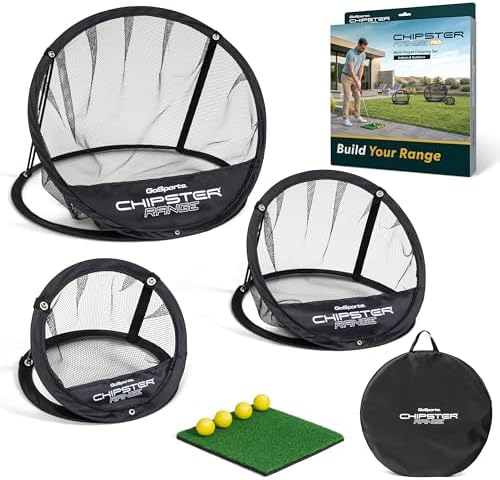
GoSports Chipster Range PRO Golf Chipping Net
Complete kit: net, hitting mat, and four foam balls in one box, so you are practicing the day it lands
Foam balls only, and the mat is the part that wears out first
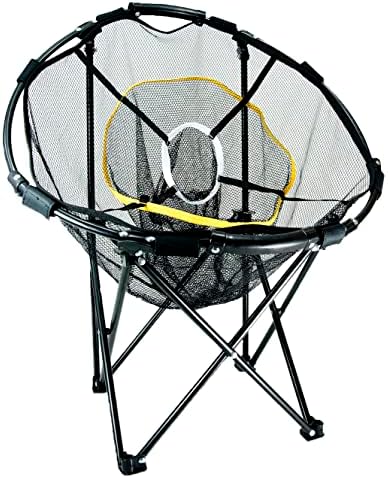
JEF World of Golf Collapsible Chipping Net
Folds flat, sets up fast, and is simple enough that there is almost nothing to break
No mat, no balls, and no target variety, so it is a component rather than a kit
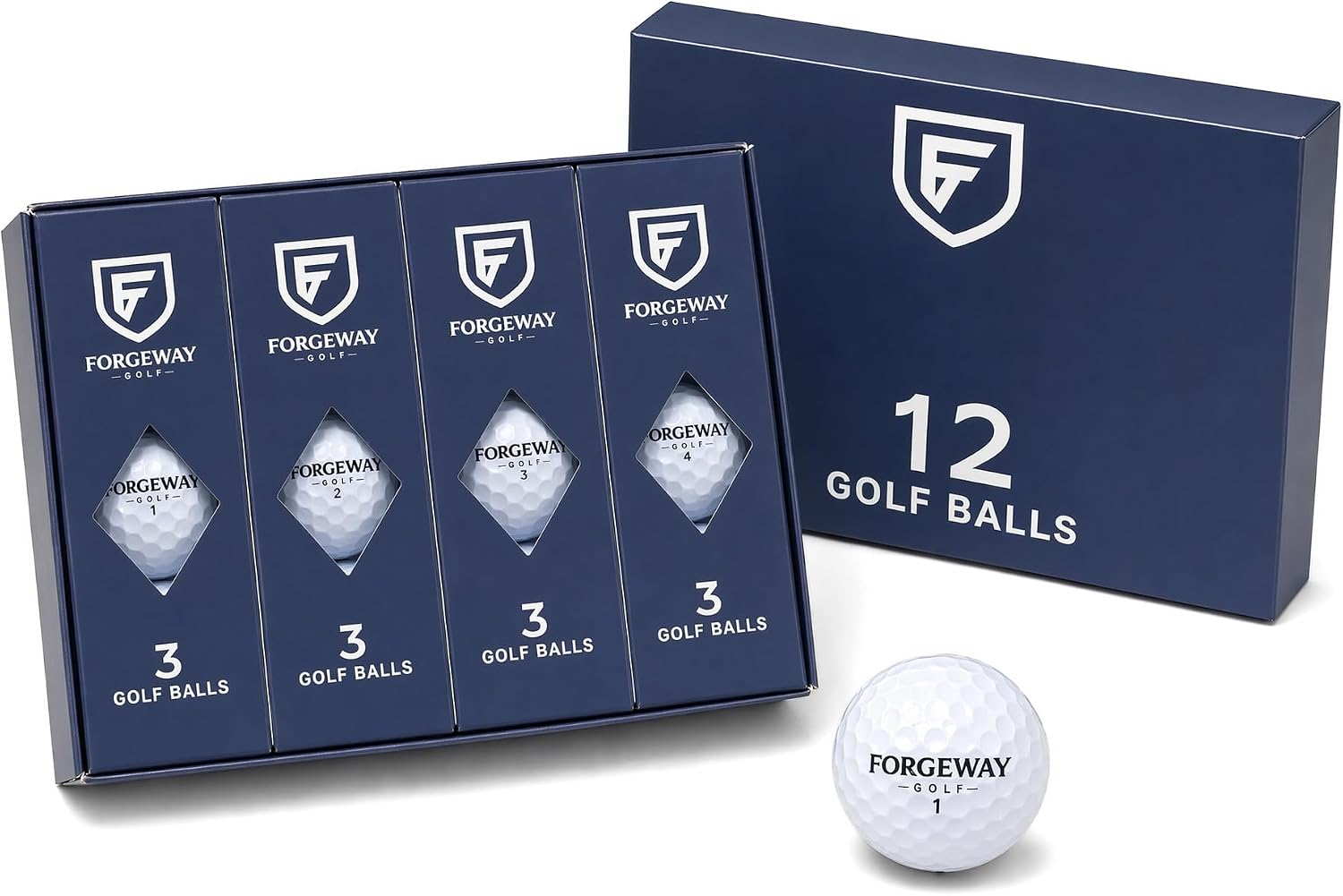
Long-Distance Golf Balls 12-Ball Pack
Low compression, two-piece build, and a soft feel that suits most amateur swing speeds
Less greenside check than a urethane ball, and "long distance" is a claim no box can prove
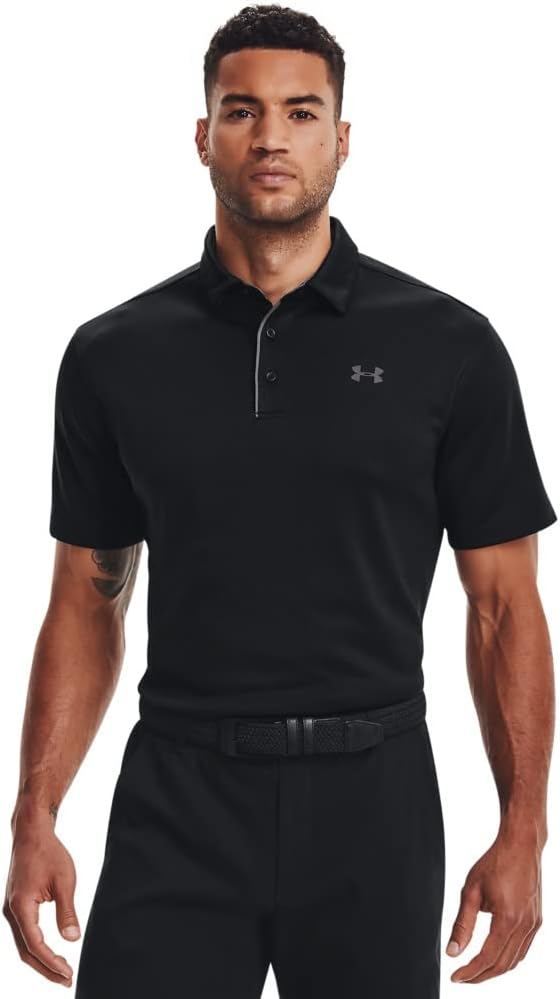
Under Armour Men's Tech Golf Polo
Lightweight, moisture-wicking fabric that works at the range and on the course
Fit is the only spec that matters here, and most listings barely describe it
Prices and availability were captured from Amazon Creators API and may change.
How I judge backyard golf practice gear
Four questions, in order.
Does it survive real golf balls? Foam is a nice extra, and it is the only sane way to chip inside a garage, but foam does not test anything. My ball speed sits around 125 mph, which is roughly what an average amateur produces with a mid iron, and if a net cannot absorb that, the number on the listing is fiction. A net that has only ever seen foam has never been tested.
What breaks first, and can I fix it? Nets fail in three places: the stitching around the target opening, the frame joints, and the mat backing. Two of those you can repair with a needle and some paracord. The third you cannot, which is why the mat is usually the piece that ends a net's life.
How many months has it been used? Day-one impressions are worthless on soft goods. I post durability updates at week three and month six, and I have pulled recommendations in between when something let go.
What does it do that the cheap option does not? That is the only question that justifies spending more. If the honest answer is a logo, the answer is no.
The GoSports Chipster Range PRO: the complete kit
The appeal here is packaging. Net, hitting mat, and four foam balls arrive together, and that matters more than it sounds, because the person who buys a bare net in January is often the person who never buys the mat and ends up hitting off a garage floor that punishes every slightly fat shot.
Design intent is clear: this is an indoor and outdoor target setup with multiple pockets, so chipping practice turns into a game you can score. That is genuinely useful for a beginner. Aiming at a target and keeping score is how you build feel, and the foam balls mean you can do it in a hallway without donating a window to the cause.
Two caveats. First, foam balls do not fly, spin, or roll like real ones, so treat them as a contact drill and not a ball flight test. Second, the mat and the netting are the two consumable parts, and on any kit in this price band they are the first things to show wear. If you go this route, plan on real balls into this net only after you have checked the seams, and consider hanging extra padding behind the target zone.
The JEF collapsible net: the one that lives in your trunk
This is the opposite philosophy, and I like it for what it is. It collapses, it packs flat, and it has one job. Nothing about the design asks you to store it in a corner of the garage for eight months.
The case for it is portability plus simplicity. Fewer panels, fewer seams, fewer things to fail. It goes in the trunk, it comes out at a hotel, a park, or a friend's yard, and it is set up before you have finished stretching. For someone who already owns a mat and a bucket of balls, that is the whole purchase.
The case against it is equally simple. No mat, no balls, no target zones. It is a component, not a kit, and a bare net with no backstop means you are chasing balls out of the neighbor's hedge. If you buy this one, buy it knowing you are still shopping for the mat and the balls. The other thing to check on any collapsible frame is the joints where the poles meet, because that is where folding nets fail first.
Which net fits your situation
Buy the GoSports kit if you are starting from zero and want one box to solve the problem. You get the mat and the balls, you get targets to aim at, and you can rehearse indoors without risking anything.
Buy the JEF net if you already have a mat and your real constraint is space or travel. It is the net that actually comes with you.
Buy neither if you plan to hit full wedges at real ball speed in a small yard. Chipping nets are for chips, and that is not a limitation, it is a design brief. Most of the strokes you lose around the green are chip-distance shots anyway.
The 12-ball pack: the most underrated purchase on this list
Nobody gets excited about golf balls, which is exactly why this is where the value hides. This pack is a two-piece, low-compression ball with a soft feel, sold in the quantity that actually matters for practice.
Here is why the construction fits most amateurs. A two-piece ionomer ball is the budget workhorse of the category: durable, predictable, and cheap enough that losing one does not ruin your afternoon. Low compression means the ball needs less swing speed to deform properly at impact, which for a lot of players translates into a straighter ball flight and less punishing sidespin on mishits. That is the real benefit, not the distance claim on the label.
The trade-off is greenside performance. A two-piece distance ball does not check up like a urethane tour ball, so if you are used to a premium cover around the green, you will notice the roll-out on chip shots. That is a fair trade for practice balls and casual rounds, and a bad trade if you are chasing spin and stopping power into firm greens.
One honest note: "long distance" is marketing. Every ball in this category claims it, and the difference between a mid-tier two-piece ball and a premium one is smaller than the price gap suggests.
The polo: yes, apparel belongs on a gear list
Three of these four items are about practice. The polo is about the round, and in Arizona it is the difference between wanting to be outside in September and dreading it. A lightweight, moisture-wicking tech polo is the cheapest upgrade in golf for anyone who plays in heat.
The Under Armour Tech line is the entry-level performance fabric in their catalog, which is exactly the right lane for this list. It is the polo you wear to the range, then wear to play, without changing. It does not pretend to be a $90 shirt, and it does not cost like one either.
My one warning is the same warning I have for every polo: fit is the only spec that matters, and most listings hardly describe it. Cut, sleeve length, and whether the hem stays tucked when you bend over to read a putt are not specs you can read off a bullet list. Buy a size you can return, and if you are taller than about 6 feet, read the length notes before you commit. I have given away more polos over sizing than over fabric.
The trade-offs nobody puts on the box
Foam is not a test. Foam balls are a safety feature, not a practice feature. Any net review that only involves foam is a review of a cardboard box.
Nets are consumables, not investments. The netting and the mat carry the wear, and you should expect to reinforce or replace them long before the frame gives up. Buy with that assumption and you will not be disappointed.
Ball choice beats net choice. Practicing with a ball that behaves differently from the ball you play is a smaller problem than practicing with a ball that does not fly at all. If your budget is tight, spend it on balls and chip at a bucket in the yard before you spend it on a net.
"Tour-proven" means nothing. You will see it on nets, balls, and shirts in this category. It is a phrase, not a measurement.
What I would buy, in order
First, the balls. A 12-ball pack of low-compression two-piece balls is the cheapest way to turn a yard into a practice area, and you will use them for chipping, putting, and everything in between.
Second, the GoSports kit if you want targets and a mat in one purchase, or the JEF collapsible net if you already own a mat and need something portable.
Third, the polo, once you have found the cut that fits you. It is not going to lower your score, but it will keep you on the range longer in the summer, and more practice is the only thing on this page that actually makes you better.
Check the current Amazon price on each before you commit, because all four of these float in a price band where a sale makes one of them an easy yes.