I spent six years behind the counter of a big-box golf store, fitting clubs, regripping grips, and watching the markup math happen in real time. A driver that rang up at $400 cost the store $180. A brush that sold for $12 cost $3. That view killed whatever brand loyalty I walked in with, and it is why I write about budget golf gear the way I do: not as a compromise you settle for, but as the category where most players get the most value per dollar spent. These four picks solve four different problems, and none of them ask you to accept junk in exchange for saving money.
The short answer: the FootJoy WeatherSof 2-pack is the easiest yes in this group, because a second glove in the bag means you stop playing the back nine with a slick palm. The TaylorMade Distance+ is the ball pick for anyone losing distance off the tee, the KALIYADI sunglasses are the sleeper here, and the GoSports Chipster Range PRO is the one to buy with your eyes open about what it can and cannot do.
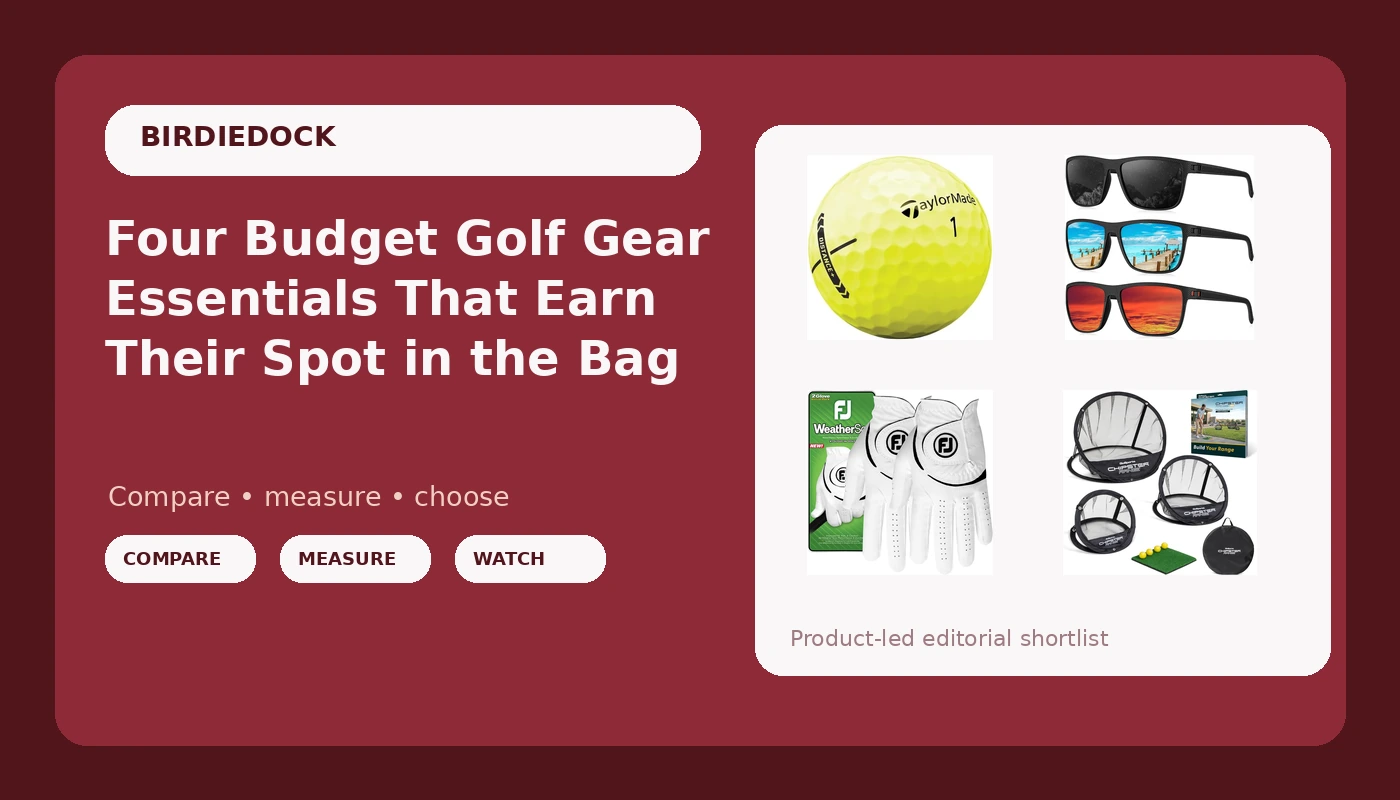
FootJoy Men's WeatherSof 2-Pack Golf Glove
Two gloves in one pack, so you can rotate one while the other dries instead of gripping a soaked glove on the back nine
A synthetic glove will never feel like a full leather tour glove, and a wrong fit wears through the palm fast
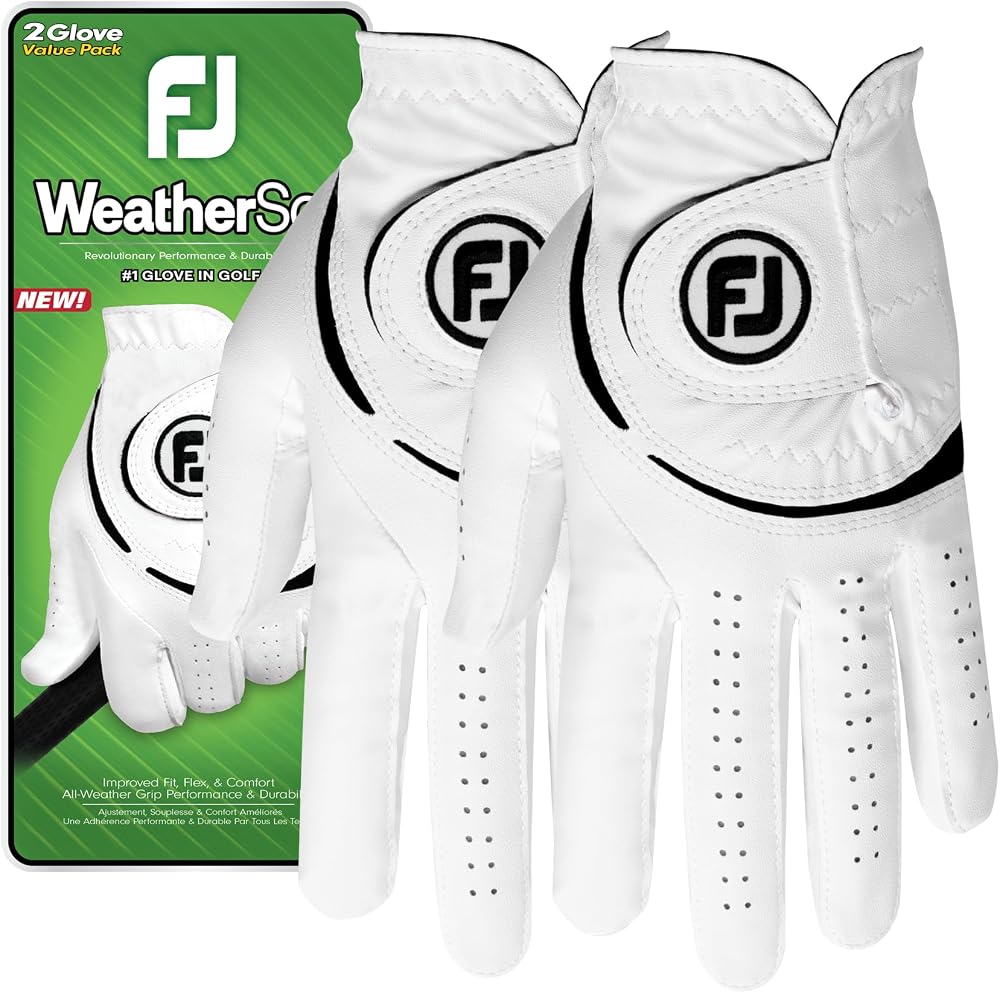
TaylorMade Golf Distance+ Golf Balls
The name is the design brief: distance off the tee at a price that makes a lost ball in the water sting less
Distance balls give up greenside bite, so players who rely on check around the green will notice
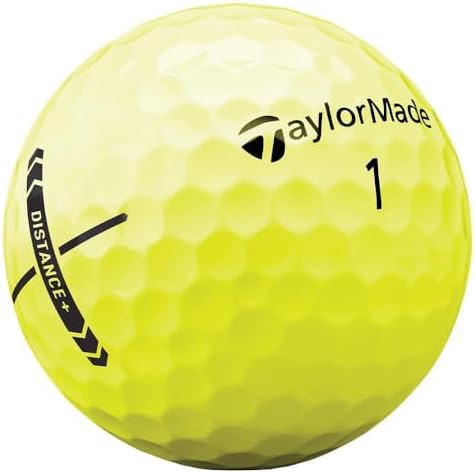
KALIYADI Polarized Sunglasses for Men, Lightweight Sun Glasses with UV Protection for Driving Fishing Golf
Polarized lenses with UV protection, and a lightweight frame is the spec that matters when you wear them for four hours straight
Cheap sunglasses live and die by hinge quality, and polarized lenses are not for every player when reading greens
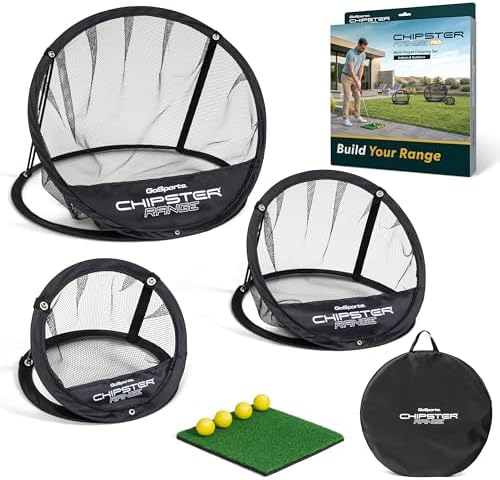
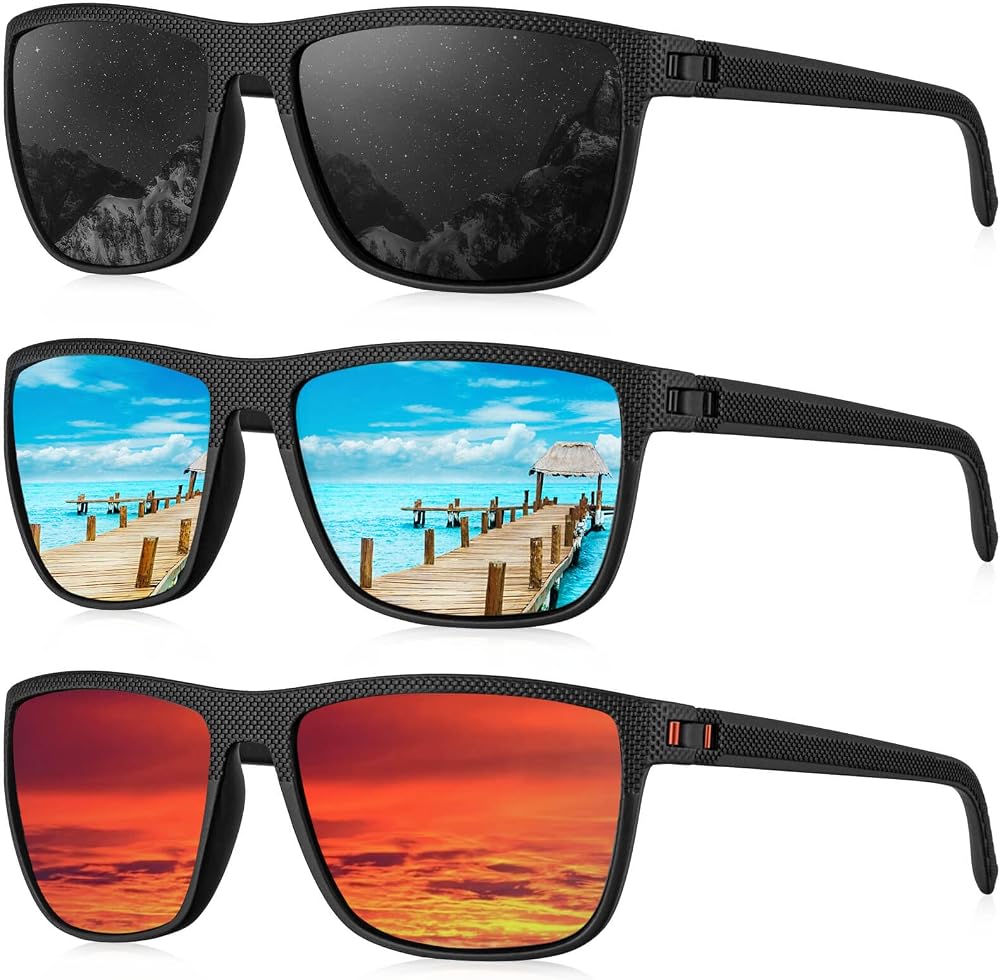
GoSports Chipster Range PRO Golf Chipping Nets - Portable Outdoor & Indoor Golf Practice Targets with Hitting Mat and 4 Foam Balls - Best Gifts for Golfers - Black
A complete chipping station with a mat and foam balls, portable enough for a driveway, garage, or backyard
Foam balls tell you where the ball went, not how it felt off the face, and a chipping net is not a full swing net
Prices and availability were captured from Amazon Creators API and may change.
What these four picks have in common
Nothing on this list is a status purchase. Every one of them is either a consumable or a practice tool, which is exactly where budget golf gear wins the biggest. Gloves and balls are things you replace over and over, so the price you pay per unit matters every single month. Sunglasses protect your eyes for four hours at a time, and the cheap pair you actually keep in the bag beats the expensive pair sitting in a drawer at home. The net buys you reps on days you cannot get to a course.
Consumables are the quiet money drain in golf. A ball you lose is a ball you paid for. A glove that wears out in six weeks is basically a subscription. Buying well in those two categories saves more over a season than hunting for a deal on a club you were going to replace anyway.
How I judge cheap golf gear
I run every product through the same four questions, and they are the same questions I still get asked by friends before they buy anything.
- What does it do that the expensive option does not?
- Will it survive a season bouncing around in a bag or a trunk?
- What breaks first, and what does replacing that part cost?
- Would I still recommend it after six months of real use?
Cost of ownership is the question most shoppers skip. A cheap product that fails twice a year is expensive. A slightly less cheap product that lasts two seasons is the bargain. That math is why I care more about the failure point than the spec sheet, and why the sections below spend as much time on the trade-offs as on the wins.
FootJoy WeatherSof 2-Pack: the glove math
Gloves are the most overlooked consumable in the bag. Most players buy one, wear it until the palm is shiny, then buy another. The WeatherSof comes as a two-pack, and that changes the math more than any single feature on the glove.
A glove fails at the heel pad and the thumb first, and the cause is usually moisture, not abrasion. Rotating two gloves lets one dry while you play the other, and two gloves in rotation outlast two gloves used one after another. The synthetic build is also the right call for humid rounds and long range sessions, where a leather glove can turn slick once you sweat through it.
The honest downside: a synthetic glove will never have the feel of a premium leather tour glove, and if the size is wrong, you now own two wrong gloves. Get the fit right and this is the cheapest upgrade to your grip in the entire bag.
TaylorMade Distance+: the ball pick
Distance+ is a distance-first ball, and the name is the whole design brief. If your problem is that you are short off the tee and you are not chasing spin around the greens, this is the category to shop in. Balls are also the one product on this list you are guaranteed to lose, which makes the per-ball price part of the strategy. Losing a ball you paid a premium for hurts more than losing a ball you did not.
The trade-off is real and worth saying plainly: a ball built for distance gives up some of the bite a tour-style urethane ball gives you on chips and pitches. If you rely on your ball checking up on firm greens, you will feel the difference. If you are like most of the players I fitted, you are losing more strokes off the tee than around the green, and a distance ball is the better fit for that game.
KALIYADI Polarized Sunglasses: the sleeper
Sunglasses are the piece of golf gear people forget until their eyes are tired at 4 p.m. and they are squinting over a putt. Polarized lenses cut glare off water, sand, and cart windshields, and UV protection matters when you are outside for four or five hours. The lightweight frame is not a marketing line here, it is the spec that decides whether you keep them on for the whole round or shove them in the bag by the third hole.
Two caveats. First, the hinge is the failure point on any inexpensive frame, so check it when they arrive and treat them accordingly. Second, polarized lenses flatten some of the contrast players use to read grain and break on a green. Plenty of good players wear them for everything except putting. That is a preference, not a defect, but you should know it before you buy.
GoSports Chipster Range PRO: reps in the driveway
Chipping is where mid-handicap players bleed strokes, and it is the hardest part of the game to practice without a short game area. The Chipster Range PRO bundles a target net, a hitting mat, and four foam balls, which tells you exactly what it was designed for: short chips indoors, in a garage, or in a driveway without chasing balls down the street.
That is a legitimate use, and it is the one I would buy it for. The limitation is equally clear. Foam balls give you trajectory and start line, not feel. If you want to know whether your wedge is striking the ball cleanly, foam will not tell you, because it compresses differently than a real ball. Use this as a contact and start-line machine, and keep your real-ball work for the range.
One setup note that applies to every chipping net: check the mesh and the seams when it arrives, and check the mat surface after a few sessions. That is the order things fail in, and knowing it early tells you whether you bought a season of practice or three seasons.
What breaks first on budget gear
Knowing the failure point is how you decide whether a cheap product is a value or a trap. On this list, the order of failure is predictable.
- The glove palm and heel pad wear first. Replacement is cheap, which is why the two-pack makes sense.
- Ball covers scuff and discolour, but a scuffed ball still flies. That is cosmetic, not a reason to retire it early.
- The sunglass hinge and lens coating go before the lens itself. Store them in a case and they last far longer.
- Net mesh and mat surface fail before the frame does. That is the part to inspect on arrival.
- Lanyards, strings, and drawcords snap first on anything you carry. It is the cheapest part on the product and the first to go.
Who should buy which
Buy the FootJoy WeatherSof 2-pack if you play more than a couple of times a month, or if you have ever finished a round with a glove that felt like a wet paper towel.
Buy the TaylorMade Distance+ if you are losing distance off the tee and losing balls in hazards, and you are not relying on spin to hold greens.
Buy the KALIYADI sunglasses if you play in bright sun, deal with glare off water or sand, and want a pair you will actually keep in the bag instead of leaving at home.
Buy the GoSports Chipster Range PRO if you want short game reps at home and you understand that foam balls measure direction, not feel.
The final word
None of these four products will change your swing, and none of them are pretending to. What they do is remove four small, recurring costs: a worn glove, a lost premium ball, tired eyes on the back nine, and zero practice between rounds. That is the whole case for budget golf gear. Buy the cheap thing that solves the problem, learn what breaks first, and spend the savings on greens fees.