Four pieces of gear landed in this comparison, and they have almost nothing in common except where they live: in the bag, in the trunk, or on the back patio. A GPS speaker, a chipping net, a two-pack of groove brushes, and a grip spray. What ties them together is the only question I care about with golf practice and club care gear, the one I ask about everything I look at: will it still work in month six? I spent six years behind the counter of a big-box golf shop fitting clubs and doing repairs, and I shoot in the low 90s on my own time. Counter work teaches you fast that the sticker price has very little to do with what survives a season.
The short answer: the THIODOON groove brush two-pack is the no-brainer at the bottom of this list, because clean grooves are free spin and it costs less than a sleeve of decent balls. The MiLESEEY GeneSonic Pro is the one genuine upgrade here, a GPS speaker that folds yardages and audio into a single device. The GoSports Chipster Range PRO makes sense if your practice space is a patio or a short yard, and the Geko grip spray is the cheapest way to rescue a glove or a set of grips that have gone slick.
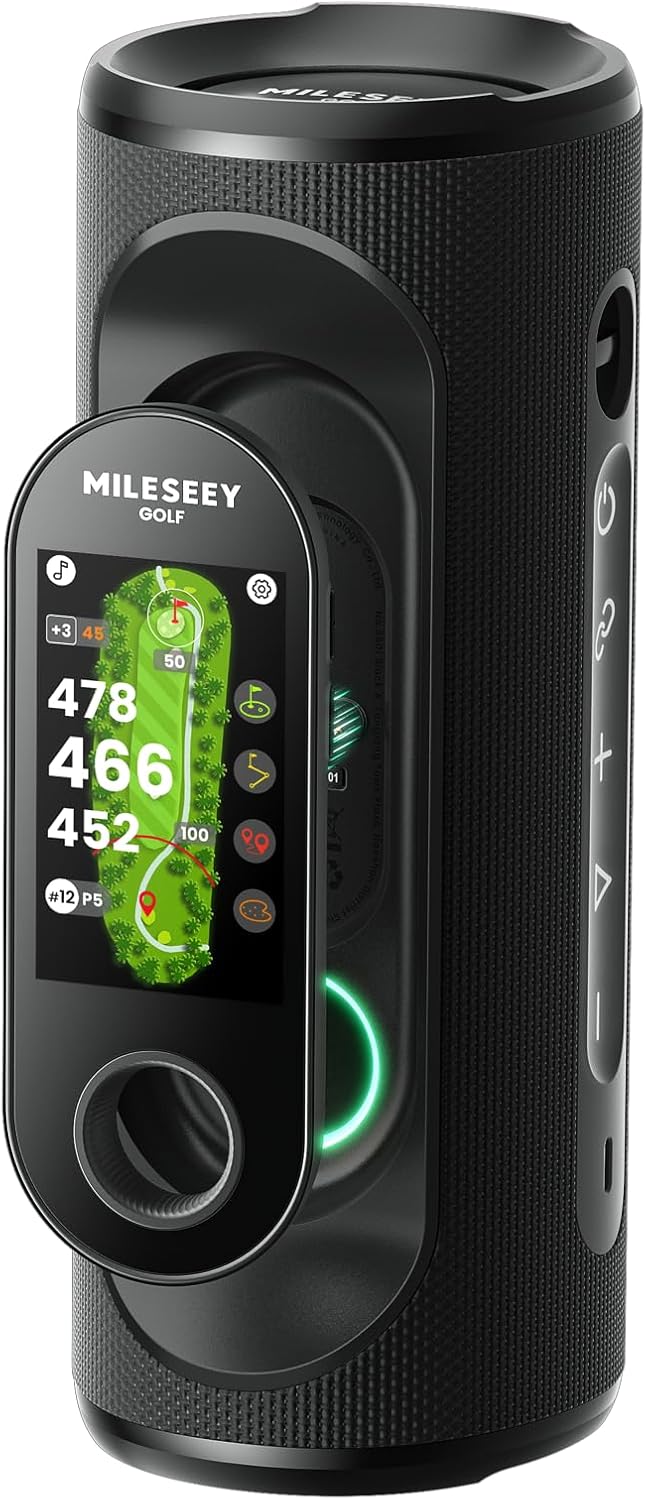
MiLESEEY GeneSonic Pro Golf GPS Speaker with 43K+ Courses No-Subscription
Course database with no subscription, distances and audio in one unit, one less thing to pull out of your pocket on every hole
By far the most expensive item here, and any battery-powered speaker is only as good as its cell after three or four seasons
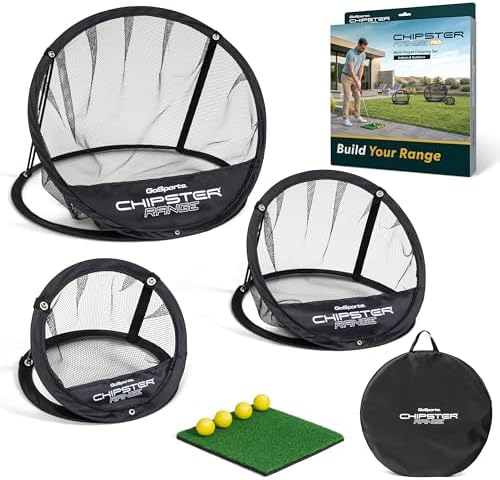
GoSports Chipster Range PRO Golf Chipping Nets with Hitting Mat and 4 Foam Balls
Complete short-game setup in one box: target, mat, and balls, works indoors and out, sets up in minutes
Foam balls only, so it is a technique tool rather than a real-ball test, and netting is always the first thing to wear
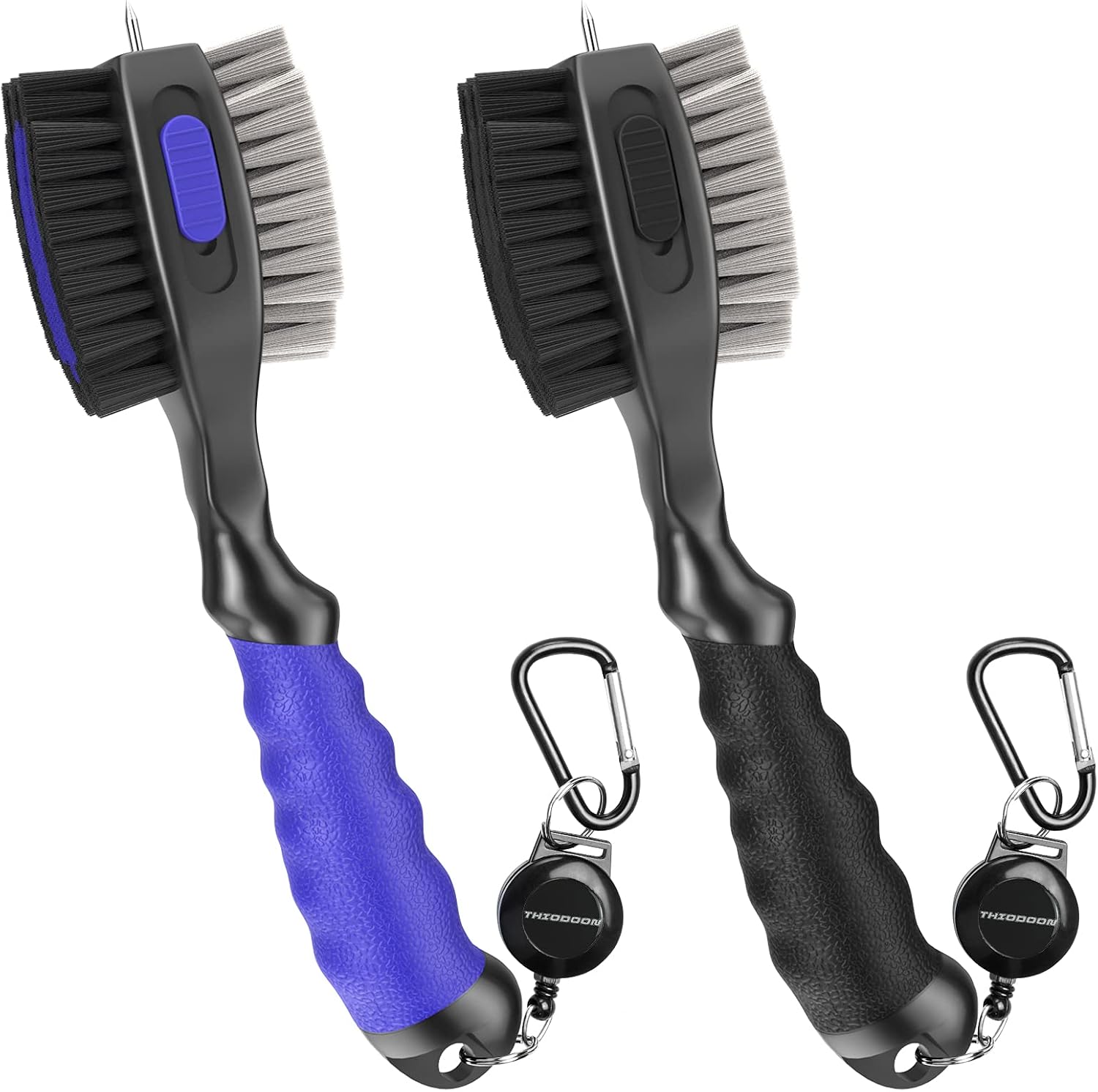
THIODOON 2 Pack Golf Club Brushes and Groove Cleaner with Retractable Zipline Carabiner and Retractable Spike
Two brushes for less than one, carabiner attachment instead of a string lanyard, retractable spike handles grooves and cleats
Nothing flashy, and the retractable cord is the part most likely to fail first
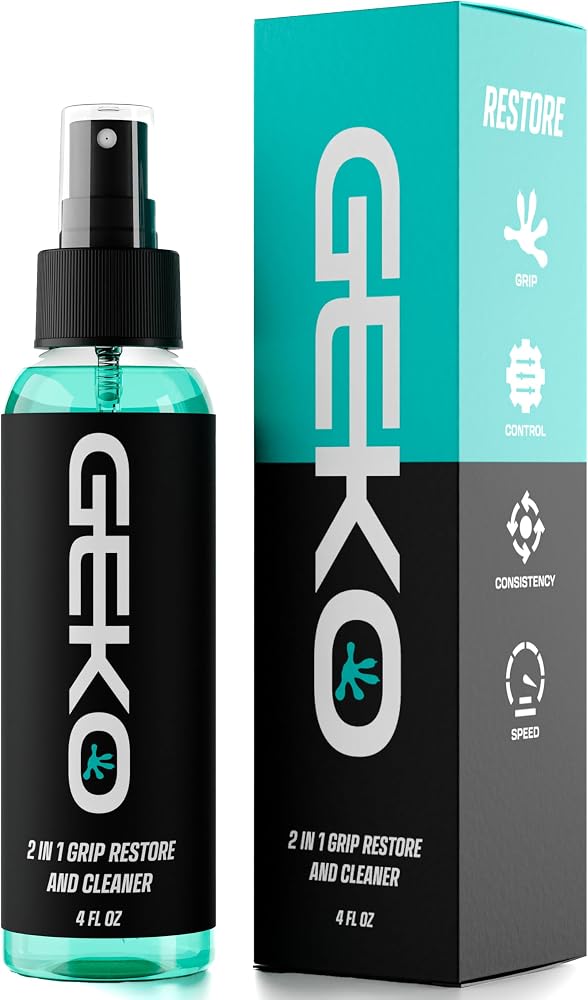
Geko 2-in-1 Grip Restore & Cleaner Grip Spray
Rescues slick grips, gloves, and shoe traction for the price of a couple of golf balls, removes dirt and oil rather than just masking it
It is a surface treatment, not a regrip, so hard, shiny, worn-out grips will stay worn out
Prices and availability were captured from Amazon Creators API and may change.
How I judge gear like this
Two rules. First, durability is the spec. I keep a spreadsheet of months owned, rounds played, and what broke first, and I update my own reviews at week three and month six. A $9 brush that lives two years in a bag pocket has earned its price ten times over. Second, cost of ownership. A club is not just what you pay for it, it is what it costs to regrip, reshaft, and fix, and the same math applies to the small stuff. A GPS device with a subscription is a completely different purchase from one without, which is exactly why the no-subscription line on the MiLESEEY listing matters more than any audio claim.
I do not treat marketing copy as a spec. "Tour-proven" ends up printed on gear no tour pro has touched. Nets get rated for ball speeds I have personally split. What I can actually verify from a listing is what is in the box, what it is made of, how it attaches to your bag, and whether the wear parts are replaceable.
The GPS speaker: two devices in one pocket
The MiLESEEY GeneSonic Pro is the outlier in this group, because it is the only item that changes how you play a round rather than how you practice. A GPS speaker with a course database of 43,000-plus layouts and no subscription attached covers two jobs: you get front, middle, and back numbers without pulling a phone out of your pocket, and you get music or a podcast for the walk.
The no-subscription detail is the whole story for me. I have watched players buy a device at a fair price and then pay for it again every year just to keep the yardages working. A course database that keeps working without an annual fee is worth real money over five years, and it is the reason this unit belongs in the conversation even though it is the most expensive thing on this table.
Here is what I would want to know before buying, and what I would check in the first week: battery life at the volume you actually use, how long a full charge takes, whether the numbers update fast enough when you walk to your ball, and whether the unit locks onto the correct course automatically when you arrive. Those four things decide whether a GPS speaker becomes part of your routine or ends up in the trunk next to the alignment sticks you never use.
It is not a replacement for a rangefinder if you want a number to a specific flag from 240 out. If your home course has no yardage markers, which is the situation at my new track, this sits in the middle of the market: more useful than a bare speaker, less precise than a laser for pin hunting.
The chipping net: real practice in a short yard
The GoSports Chipster Range PRO arrives as a full short-game kit: the chipping target, a hitting mat, and four foam balls. For someone with a patio, a garage, or a narrow strip of grass, that is the difference between practicing wedges three times a week and practicing them never. Chipping is the cheapest place to shave strokes, and it is also the part of the game most players practice least, because a range bucket costs money and a short game area is rarely close by.
The honest trade-off is right in the product name: foam balls. Foam is the correct call indoors, where a real ball would take out a window or a shin. But foam also lies to you. It will not tell you whether your wedge is digging or bouncing, and it will not come off a bad lie the way a real ball does. If you want the net to be more than a coordination drill, hang extra padding behind the target, stake it so it cannot walk on you, and hit real balls into it outdoors with the understanding that netting is a wear item. My own rule stands: any net is a consumable, and the mat usually goes before the netting does.
For a technique tool, though, this is a tidy package. Four foam balls means you can rotate them and keep a rhythm instead of walking to the fence every third swing, and the hitting mat gives you a consistent lie so you are practicing your strike rather than your ability to read a patchy lawn.
Groove brushes: the cheapest spin you can buy
Clean grooves are free spin. That is not a slogan, it is the reason a wedge that bit in April stops biting in August. Dirt, sand, and grass packed into the grooves kill friction, and no amount of new wedge shopping fixes a dirty face. The THIODOON two-pack is the least glamorous item on this list and the one I would buy first.
Two things earn it a spot. The carabiner attachment is the correct design, because a string lanyard on something that swings off your bag every round is a failure waiting to happen. I have had a string lanyard snap on me after about two years of heavy use, and the brush itself was still perfectly good. A carabiner does not care about abrasion. Second, the retractable spike gives you a second tool: it digs packed dirt out of grooves and cleans mud off cleats, which is the job nobody thinks about until they are standing in a parking lot with soft spikes full of wet fairway.
The two-pack math is simple. One lives in the bag, one lives in the trunk or the garage, and you stop moving the same brush between them. At this price, buying a spare is not hoarding, it is planning.
Grip spray: the cheapest fix in golf
The Geko 2-in-1 Grip Restore and Cleaner is a spray that cleans and re-tacks the surface of grips, gloves, and shoes. It removes dirt and oil, and oil is the real enemy. Your hands produce it, your grips absorb it, and after enough rounds a rubber grip turns shiny and slick no matter how well you clean it with soap and water. This is a surface treatment, and the honest framing matters: it brings back tackiness on grips that still have life in them, and it will not resurrect a grip that is hard, cracked, or worn down to the cord.
Where it earns its keep is glove and shoe traction. A glove that has gone greasy at the palm gets another few rounds, and a pair of shoes that has picked up polish and grime around the sole starts gripping the turf again. Clean that stuff off and you get traction back without spending anything on replacement gear.
The caveat is that this is the item on the list most likely to be bought once and forgotten. A spray bottle sits in the trunk and never gets used because it is not part of the pre-round routine. If you buy it, put it next to the brush so both come out at the same time, and treat it as a regripping delay, not a regripping replacement. Grips need replacing when they are worn, and no spray changes that.
What breaks first, and what it costs you
Every item on this table has a known wear point, and knowing yours saves money. On the brush, it is the retractable cord, not the bristles or the spike. On the net, it is the netting and then the mat, in that order, and you should expect to reinforce or replace both eventually if you hit real balls. On the GPS speaker, it is the battery and the charging port, which is why I look at charge behavior in the first month rather than the first week. On the grip spray, it is the nozzle, which clogs if you leave it in a hot trunk for a season with residue on it.
That is the whole cost-of-ownership argument in one paragraph. None of it is a reason to avoid these products. It is a reason to buy the cheap ones in twos and to think about the expensive one as a multi-year commitment.
Who should buy what
If you want the biggest change to your actual scores and you have patio space, buy the GoSports Chipster Range PRO and practice chipping for fifteen minutes a day. Short game is where a 90s player becomes an 80s player, and the barrier is usually access, not talent.
If your grips, glove, and shoes have simply gone slick and you are not ready to regrip the set, try the Geko spray first. It is a fraction of the cost of a regrip and it buys you time.
If you are still cleaning your grooves with a tee, the THIODOON two-pack is $9 well spent, two of them, one for the bag and one for the garage.
And if you want yardages plus music without paying a yearly fee, the MiLESEEY GeneSonic Pro is the pick on this list. It costs more than the other three combined, so it should be a deliberate purchase, not an impulse one.
What I'm watching next
I keep a log on every piece of gear I use, with months owned and what failed, because day-one impressions tell you almost nothing. The next updates I want from this group are boring and specific: how the MiLESEEY battery holds after a summer of charges, how the GoSports mat looks after 500 chips, whether the THIODOON retractable cord survives a season of swinging off a bag, and whether the Geko bottle is still spraying in October. Those are the numbers that decide whether a product gets recommended twice, and I will post them when I have them.