I spent six years behind the counter of a big-box golf store, fitting clubs, regripping whatever walked in, and watching the markup math happen in real time. A driver that sells for $400 cost the store around $180. The $12 brush on the wall cost three. That view is why I write about golf training and repair gear the way I do: not by what the box promises on day one, but by what it still does after a season of real use.
This comparison covers four items that do four different jobs. A swing trainer, a regripping kit, a microfiber towel, and a mallet putter. None of them require a second mortgage, and none of them are the thing the big brands want to sell you. The right pick depends entirely on which problem is costing you the most strokes right now.
For most players, the best value in this group is the regripping kit, because it resets the fourteen clubs you already own for the price of a single round, and the towel is the cheapest insurance in the entire bag.
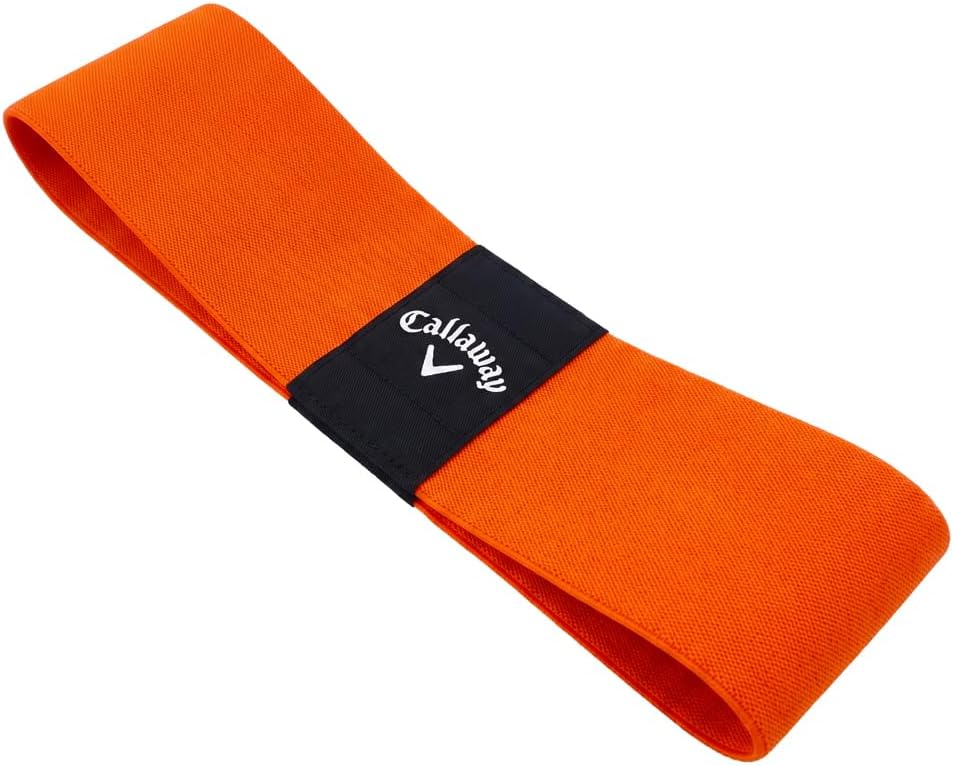
Callaway Swing-Easy Golf Swing Trainer Aid, Orange
Trains the takeaway and tempo with no range session, and the orange head is easy to track in a backyard or a mirror setup
It teaches one move, so it will not fix a slice on its own, and it is a training tool rather than a full-swing club
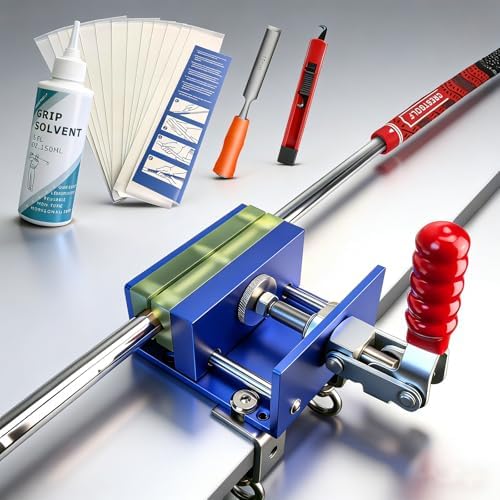
Crestgolf Golf Repair Kit Drill-Free & Drill Installation for Regripping Golf Clubs
Gives you both a drill-free path and a drill-install path, so it works whether you are doing one club on the bench or a full set
It is the tooling, not the consumables, so you still buy grips and solvent separately
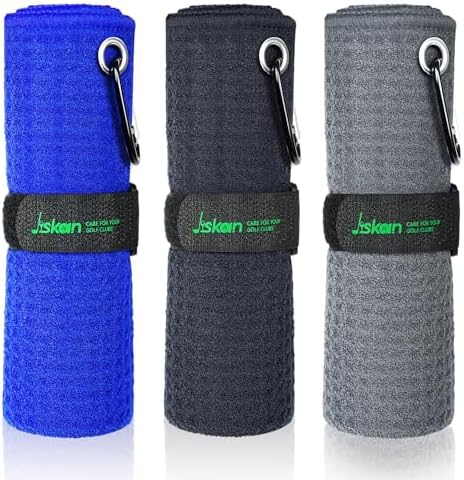
Jiskan Pro Golf Towel Microfiber Golf Towel for Golf Bags (16" X 16") with Hook, Loop Fastener and Gift Box
The hook and loop fastener keeps it on the bag loop instead of on the fairway, and a 16 inch microfiber square holds enough water to actually clean grooves
One towel per bag is not enough once you are riding, and microfiber holds onto mud that never fully rinses out
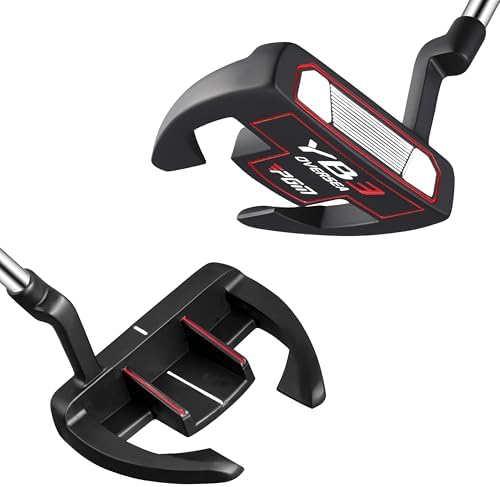
PGM Golf Putter for Men & Women, Anti-Twist Mallet, Right/Left Handed
A mallet head with an anti-twist design and both right and left handed options, which is rare at the budget end of the putter market
No fitting involved, so length and lie are whatever ships, and the putter is the most personal club in the bag
Prices and availability were captured from Amazon Creators API and may change.
How I judge gear in this category
Every item that comes across my desk gets the same four questions I used to run across the counter. What does it do that the cheapest working option does not? What breaks first? Can that broken part be replaced cheaply? Would I still recommend it after six months of real rounds?
The fourth question is the one that kills most products, and it is the one no listing answers. Marketing tells you what a product does on day one. Owners tell you what it does on day 200. I care about the second number.
Cost of ownership matters more in golf than in almost any other hobby, because almost everything in the bag is serviceable. Grips wear out. Ferrules crack. Towels get lost. A putter grip can be changed in ten minutes. None of that requires a new club, and the players who understand that spend dramatically less per year than the players who replace instead of repair.
Callaway Swing-Easy Golf Swing Trainer Aid: tempo feedback for the backyard
Most swing trainers fail the same way. They force you into a position that feels great in the living room and collapses the moment a real ball is in front of you. The test is whether the feel transfers.
This one is a compact orange training aid built around the takeaway and the early part of the swing. What I like about the design brief is that it targets one move rather than claiming to rebuild your entire motion. Trainers that promise everything usually deliver nothing, because your brain cannot process five corrections at once. One cue, repeated, is how a swing change actually sticks.
The orange head is the practical detail. Training aids that disappear against a dark background or blend into a net are aids you stop using by week two. Something you can see out of your peripheral vision while you rehearse in a mirror or a backyard gets used.
The honest limitation is that this is a feel tool, not a diagnostic one. It cannot tell you whether your clubface was three degrees open at impact. If you want numbers, you need a launch monitor or a lesson with someone who has one. If you want to groove a tempo and a takeaway without booking a bay every week, this is the cheap version of that work. It also travels better than a net and a mat, which matters if your practice space is a hotel room or a garage with a low ceiling.
For a beginner who is still figuring out what a connected takeaway feels like, this is a reasonable first purchase. For a low handicapper chasing two yards of carry, it is not the tool.
Crestgolf Golf Repair Kit: the cheapest real upgrade in golf
If you take one thing from this article, take this. Regripping is the highest return per dollar in the entire sport, and it is also the job most players pay someone else to do because they assume it requires a workshop.
It does not. It requires a vise or a steady hand, a hook blade, solvent, tape, and about twenty minutes for the first club and eight minutes for every club after that. This kit is built around that job, and the detail that matters is the dual approach: it supports both a drill-free installation and a drill-based one. That matters because the drill-free path is what you use on a graphite shaft you are nervous about, and the drill path is what you use when you have fourteen clubs and a Saturday.
Grips are the one component that touches your hands on every single shot, and they are the one component that degrades silently. A slick grip makes you squeeze harder, and squeezing harder shuts down your release. Players will spend hundreds chasing a fix for a shot shape that a fresh set of grips would have solved.
The trade-off is straightforward. The kit is tooling, so you still buy the grips, the tape, and the solvent. Budget for that. But once you own the tooling, the labor cost of every future regrip is zero, and you can do it on your schedule instead of driving to a shop and leaving your clubs for three days. If you have ever paid someone to regrip a full set, you already know the kit pays for itself the first time you use it.
One warning from someone who has done this a thousand times: buy the hook blade, not the straight blade, and cut away from the shaft. The most common DIY mistake is scoring a graphite shaft and turning a regrip into a reshaft.
Jiskan Pro Golf Towel: the item that protects everything else
Nobody wants to read four hundred words about a towel, so here are the four hundred words about why the towel is the most underrated item in the bag.
Clean grooves are free spin. A wedge with dirt packed into the grooves will not bite, no matter what the stamp on the back says. That is not opinion, it is the whole reason groove rules exist. A wet microfiber towel on the bag loop is the cheapest way to keep the clubs you already paid for performing the way they did on the rack.
This one is a 16 inch by 16 inch microfiber square with a hook and loop fastener, which is the detail that decides whether a towel survives a season. String loops and flimsy clips are how towels end up on the side of a fairway. Hook and loop holds. It also arrives in a gift box, which makes it an easy add-on for a playing partner who has everything except a clean towel.
The honest downsides are small but real. One towel is not enough if you are riding, because you want a wet one for the irons and a dry one for the woods and the putter face. And microfiber, while it cleans beautifully, holds onto mud and sand in a way cotton does not, so plan on rinsing it out after a wet round rather than tossing it back in the bag.
Buy two. That is the whole recommendation.
PGM Anti-Twist Mallet Putter: forgiveness without the premium sticker
The putter is where brand markup gets the most aggressive, and it is also the club where the difference between a budget build and a premium build is hardest to feel. A mallet with a high moment of inertia resists twisting on off-center strikes. That is physics, not branding, and physics does not care what the head cover says.
This PGM mallet leans on exactly that idea with an anti-twist design, and it is available in both right and left handed configurations, which matters because lefties get ignored at the budget end of the market. A mallet shape is also the right starting point for most high handicappers. It is more stable on mishits and easier to aim than a blade, and the forgiveness shows up on the twelve footers you hit off the toe.
The real caveat is fit. A putter is the most personal club in the bag, and length and lie matter more than the head shape. Nothing about ordering online changes that. If the stock length is wrong, you will fight your posture on every putt, and a great head cannot fix a setup problem.
So treat this as a head and a starting point. If the length works for you, you have a stable mallet for a fraction of what the name brands charge. If it does not, a regrip and a length adjustment are cheap, and you already know from the kit above how to handle the grip side yourself.
The trade-offs nobody puts in the listing
Every one of these four items has a version of the same weakness: it solves one problem and does nothing for the others.
The swing trainer will not tell you what your clubface is doing. The repair kit will not clean your grooves on the course. The towel will not lower your score directly, though it protects the grooves that do. The putter will not fix a stroke that is aimed three degrees left.
That is fine. Golf gear is a system, and the players who improve fastest are the ones who stop buying the exciting item and start buying the boring one. Grips, towels, and practice reps are boring. They also show up in the scorecard far more often than a new driver.
What breaks first, and what it costs to fix
Training aids break at the grip and the connection point. Towels break at the loop. Repair kits lose the small parts, the blades, the tape strips, the little bits you set down and never find again.
Putter grips wear out the same way iron grips do, and that is the one component on this list you will replace on a schedule. That is why the kit is the anchor purchase here. Once you own it, every other item on this list becomes cheaper to live with, because the maintenance that keeps them working is something you do at the bench instead of paying for.
Which one should you buy first
If your grips are more than a season old and slick to the touch, buy the repair kit first. That is the purchase that changes how every other club in your bag feels, and it is the one that stops you from spending money you do not need to spend.
If your grips are fresh and your practice time is limited to a backyard, the swing trainer is the better starting point, because it puts a club in your hands on days you cannot get to a course.
If you are riding most rounds and your irons look like they have been through a bunker, start with two towels. It is the smallest spend on this page and the one you will notice on the very next round.
If you are putting with a blade that twists on you and you are tired of three-putting from twelve feet, the mallet is the pick, with the caveat that you should check the length before you commit.
What I would skip
I would skip any premium version of these four categories until the cheap one has actually failed you. A towel is a towel. A regrip is a regrip. A training aid that grooves a takeaway does not get better because it costs four times as much.
Spend the difference on greens fees and range balls, then come back in six months and tell me the cheap gear did not hold up. That has been my experience far more often than not.