Related: Best Golf Rangefinder for Real Players: Pin Lock, Slope, and What You Actually Need
I keep a spreadsheet for every piece of golf gear I own. Balls hit, rounds played, months owned. I started it when I was behind the counter at a big-box golf store, fitting clubs and regripping whatever walked through the door, and I never stopped. That habit is why I trust a cheap tool over an expensive marketing budget, and it is why a golf rangefinder and regripping kit sit at the top of my list of gear that actually pays you back. Neither one is exciting. Both of them change your score.
Most of the money in golf goes to the wrong place. Players buy a new driver to fix a swing problem. They buy a $300 rangefinder to do a job a much cheaper one handles. They pay a shop to regrip four clubs when they could have done it in the garage on a Saturday morning. I watched that markup math happen in real time for six years. The driver on the rack that costs you $400 cost the store $180, and the $12 brush hanging next to it cost the store $3.
So this is not a guide to the most expensive gear. It is the gear I would hand a friend who wants to get better without lighting money on fire: a rangefinder that handles yardage and slope, a glove you can afford to replace, a polo that keeps you dry in desert heat, and a regripping kit that saves you a trip to the shop every year.
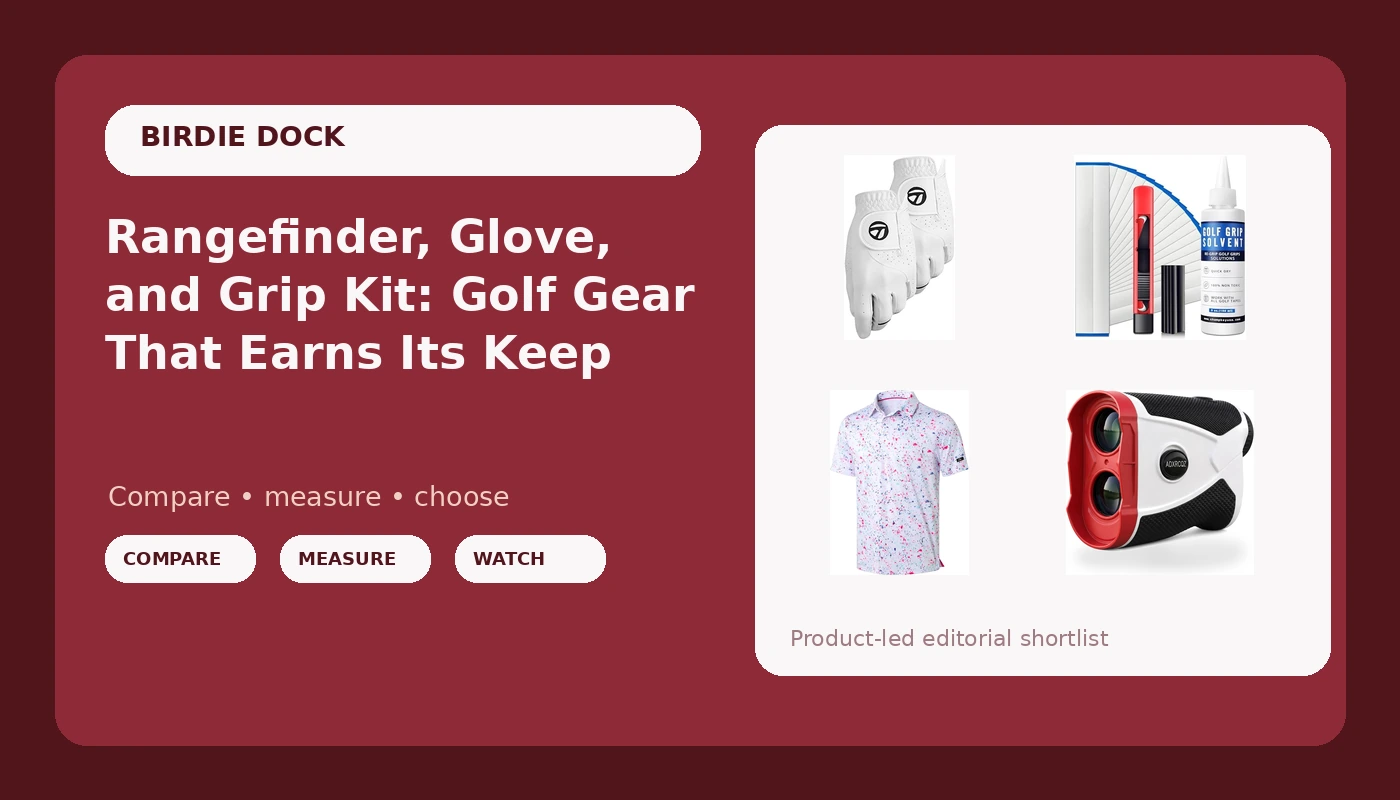
The yardage tool: Golf Rangefinder with Slope Switch, 7X Magnification, 1200 Yards
Every rangefinder recommendation I make starts with the same two questions. Does it lock the flag, and can you turn the slope off? The first one is the entire point of carrying a laser instead of pacing off sprinkler heads. The second one is the difference between a rangefinder you can use in a tournament and one that has to stay in the bag during a money game.
This one answers both. The slope switch is external, which is the version I want. An external switch is a physical lever you flip, so you can show a playing partner or a rules official that slope is off. Models that bury slope in a menu are a harder sell in a competitive round, and some make you dig three screens deep to disable it.
7X magnification is the sweet spot for a handheld laser. Enough to pick a flag out of a treeline at 250, not so much that your heartbeat turns the whole image into a bounce house. The 1200 yard rating is more range than anyone reading this needs on a golf course, but range specs are not really about the fairway. They are about the 180 yard shot into a back pin with wind, where a weak laser gives up and returns a reading off the hill behind the green.
What I would verify before buying:
- Pin lock feedback. Vibration or a visual flag cue. If it only beeps, you will second-guess it on every approach.
- Battery type. USB charging beats a proprietary cell you have to hunt down every two years.
- Eye focus ring tension. A focus ring that turns in your pocket means you refocus every time you pull it out, which is my biggest pet peeve in this category.
- Warranty and service. Budget rangefinders live and die on whether the company answers an email in month eight.
The budget layer: Obla Men's Golf Polo Shirts
A polo will not fix your slice, but the wrong one will have you soaked, chafed, and thinking about your shirt on the 14th tee instead of your target. That matters more where I live than it does most places. We play in 105 degrees for four months a year, and a cotton polo turns into a wet towel by the third hole.
This one is built the way a hot-weather shirt should be: short sleeve, dry fit, moisture wicking, lightweight, with a collar that keeps it course legal. The printed patterns are a bonus, because a golf shirt that looks like something other than a uniform gets worn more often. It works off the course too, which is how you get real value out of anything you buy for golf.
Two honest notes. Sizing is the wild card on budget polos. These listings tend to run trim, so read the size chart and the recent reviews before you commit, and size up if you want room through the chest and shoulders. Second, if you are tall, watch the body length. A polo that rides up when you bend to read a putt is a polo you stop wearing. The golfer who is 6 foot 3 is not a 5 foot 10 medium, and most apparel companies still design like he is.
What I want here is a shirt I can buy three of without wincing. Golf is not a cheap sport to dive into head first, and the players who stick with it are the ones who find gear that does the job at a price that does not make them resent the game.
The glove: TaylorMade Golf Stratus Tech Glove 2 Pack Lefthanded
Gloves are consumables. They wear out, they get slick, they stretch, and they get sweaty. That is not a defect, it is the nature of a material that spends four hours clamped against a grip in the sun. The mistake players make is buying one expensive glove, wearing it to death, and then wondering why their grip feels loose in August.
A 2 pack is the right way to buy a glove. One in the bag, one drying out. Rotating between two gloves roughly doubles the life of both, because the thing that kills a glove is moisture and the thing that fixes it is time to dry. A glove that sits wet in your bag between rounds is already gone.
Lefthanded here refers to the hand the glove goes on, which for most right-handed players is the lead hand, the one at the top of the swing. Check which hand you actually glove before you order, because this is the most common ordering mistake in golf accessories and it is not obvious from a product photo.
Stratus Tech is a synthetic glove, and that is what I want for something that lives in a bag in Arizona. Leather feels better for about six holes and then dries into a cracker. Synthetic holds its tack in humidity and survives being forgotten in a cart for a week.
The money saver: CHAMPKEY Deluxe Grip Repair Kit
I have regripped a thousand clubs. I have also watched people pay a shop to do it, club by club, every year, and then complain about the cost of the sport. This is the gear decision I feel strongest about, because regripping is one of the few jobs in golf that is genuinely easy to do at home.
What is in the box matters. The kit includes a hook knife, two inch by ten inch professional tape strips, five ounces of solvent, and a rubber vise clamp. That is a complete regripping setup. The hook knife removes old tape and grip without gouging the shaft. The vise clamp holds the club steady so you can slide the new grip on with both hands. The tape and solvent are the installation itself.
Cost of ownership is the reason I push this. Grips are the only part of the club you touch, and they are the first thing to go. A slick grip makes you squeeze harder, and squeezing harder is how you lose the shot to the right. Play 40 rounds a year and you are regripping something every season. Doing it yourself means you buy grips and nothing else.
Two warnings. Ventilate the space where you use the solvent, because it is a real solvent and a closed garage is not the place for it. And practice on a club you do not care about the first time. Pull an old grip off a spare wedge, learn how fast the tape activates, then do your gamers.
How I evaluate gear like this
Every product I recommend has to answer the same questions. What does it do that the cheap option does not? Will it survive a season bouncing around in a bag? What breaks first, and can I fix or replace it cheaply? Would I still recommend it after six months of real rounds?
Those questions come from six years behind a repair bench. I have seen which parts fail first, and it is almost never the part the marketing talks about. It is the lanyard, the battery door, the stitching on the glove cuff, the coating on the sole. That is why my reviews get updated at week three and month six. A product that is great on day one and dead on day 200 is not a great product, it is a great unboxing.
What the specs actually mean
Slope switch: it measures elevation change to your target and returns a plays-like number. Tournament legal only if you can switch it off, and an external switch is the version that is easy to prove at the first tee.
Magnification: 6X to 7X is the usable range for a golf rangefinder. Bigger numbers sound better and usually mean a narrower field of view, which makes finding the flag harder, not easier.
Dry fit: a knit that moves moisture off your skin instead of holding it. In a hot climate that is the difference between a shirt and a sponge.
Regripping: the job is tape, solvent, and a grip. Solvent activates the tape so the grip slides on, then evaporates and locks it. If you can wrap a bicycle handlebar, you can regrip a club.
The golf gear reference table
This is the table I keep when friends ask what to buy first. Prices move, so check the listing rather than trusting any number you read in a review, mine included.
| Gear | What it solves | Price | What I would check |
|---|---|---|---|
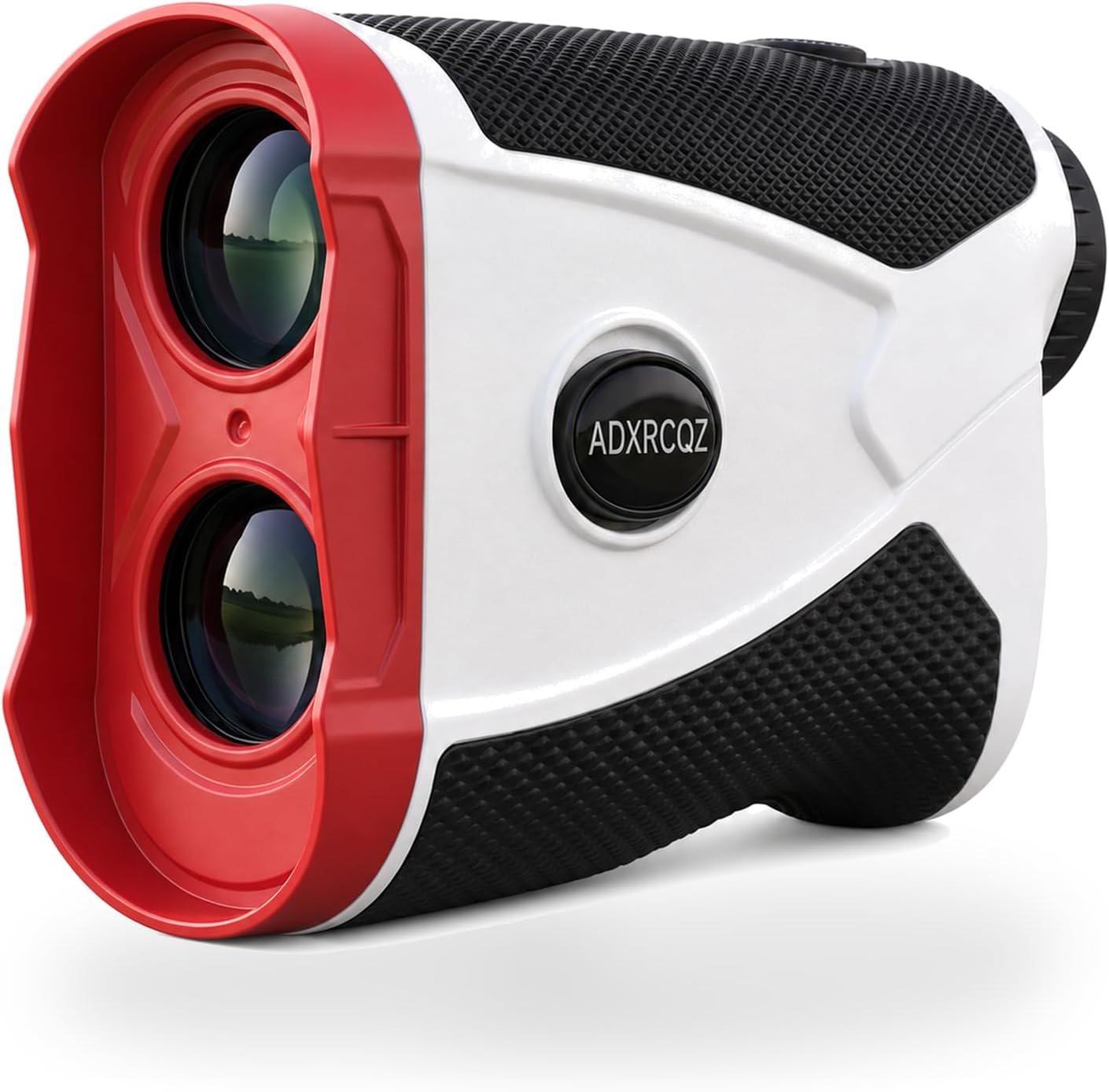 Visit on Amazon → Visit on Amazon →Golf Rangefinder with Slope Switch |
Yardages, pin lock, plays-like distance | $139.99 | External slope switch, battery type, focus ring |
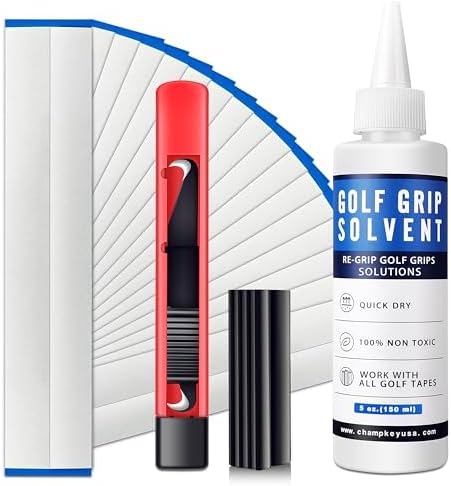 Visit on Amazon → Visit on Amazon →CHAMPKEY Deluxe Grip Repair Kit |
Regripping at home, once a season | $9.99 | Ventilation, vise, tape width |
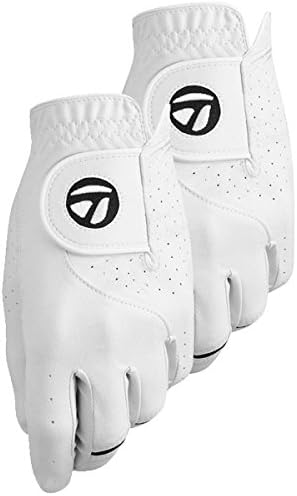 Visit on Amazon → Visit on Amazon →TaylorMade Stratus Tech Glove 2 Pack |
Grip in heat and humidity | $23.99 | Correct hand, rotate two gloves |
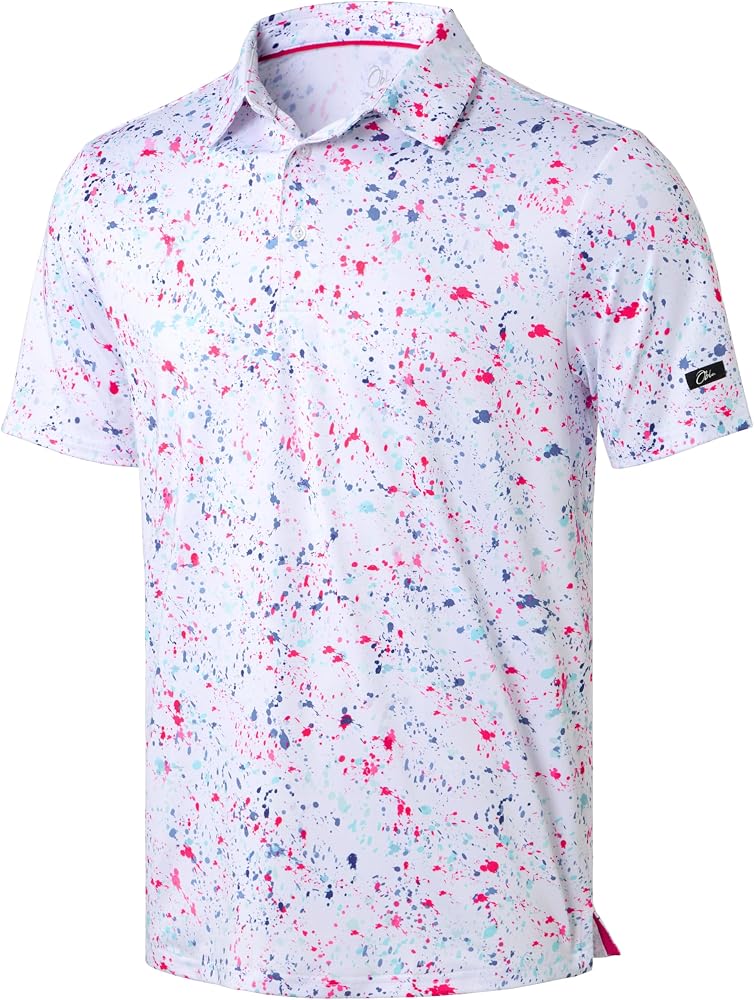 Visit on Amazon → Visit on Amazon →Obla Men's Golf Polo Shirts |
Staying dry in the heat | $19.99 | Size chart, body length |
If you are building a bag from nothing, the order is glove, then grips, then rangefinder. The first two cost the least and affect every single shot. The rangefinder is the one that changes how you read a course, and it is the one most players buy last.
Should you buy the rangefinder with the slope switch?
Yes, if you do not already own a laser that locks flags. The external slope switch is what makes it usable in a tournament round, 7X is the right magnification for a handheld, and the range is more than any golf course will ask of it. Verify the pin lock feedback, the battery situation, and the focus ring. Those details separate a rangefinder you carry for five years from one that lives in a drawer.
If you already own a rangefinder that reads within a couple of yards on the pins you play, keep it. A new one will not change your scores, and I would rather you spend that money on greens fees.
Should you buy the CHAMPKEY grip repair kit?
Yes, if you own clubs and play more than a handful of rounds a year. It has the hook knife, the tape, the solvent, and the vise clamp, which is everything the job needs. Grips wear out every season or two, shops charge labor per club, and this kit pays for itself the first time you do a full set.
Buy it before your grips are slick, not after. A fresh set of grips in spring is one of the cheapest real improvements you can make to your game, and doing it in your garage on a Saturday is the cheapest way to get there.