I spent six years behind the counter of a big box golf store, regripping clubs and watching grown men buy a new putter because the old one "felt dead" after one bad round. That job cured me of brand loyalty and taught me something more useful: the sticker on a piece of golf gear tells you almost nothing about what it does for your score. This golf putting gear comparison covers four items that get bought for four completely different reasons, a precision green reader, two putters at opposite ends of the price ladder, and a cart bag that has to survive a full season of trunk life. Two of these you can justify on a Tuesday afternoon without a budget meeting. Two of them need a real reason.
Related: Golf Rangefinders: What Actually Matters At 150 And 250 Yards
The best pick for most players here is the Cleveland Golf HB Soft 2 Putter (Model 11), because it puts a stable mallet shape in your hands without the flagship price tag. The sleeper is the SlopeMaster ProGreen Reader, the least expensive item on this list and the one most likely to shave strokes this weekend. The TaylorMade Golf Spider Tour X L Neck Putter is a genuinely good flat stick for a specific kind of player, and the ASK ECHO T-Lock 3.0 Golf Cart Bag is the purchase that will outlast everything else in this article.
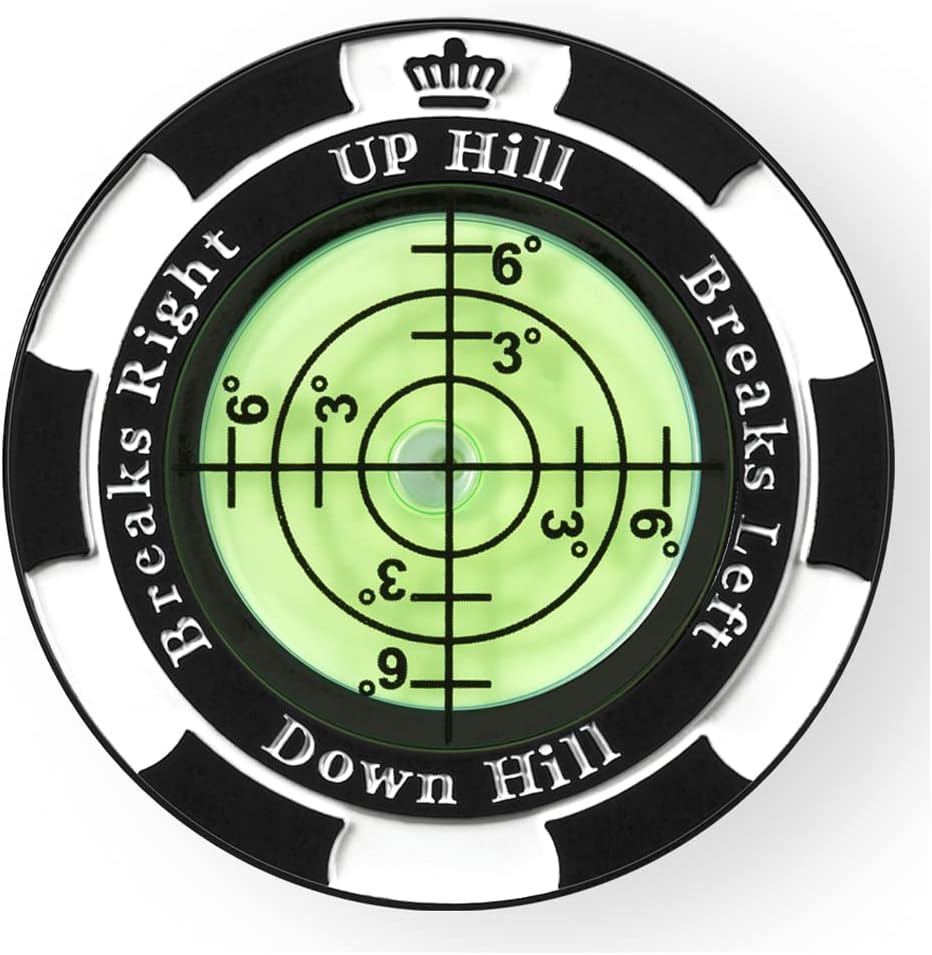
SlopeMaster ProGreen Reader - Golf Ball Marker with High Precision Green Reading Aid Golf Accessories for Men Women
Cheapest scoring tool in this article, marks the ball and gives you a slope reference before you crouch behind it
Nothing here fixes a push. You still have to start the ball on the line you picked
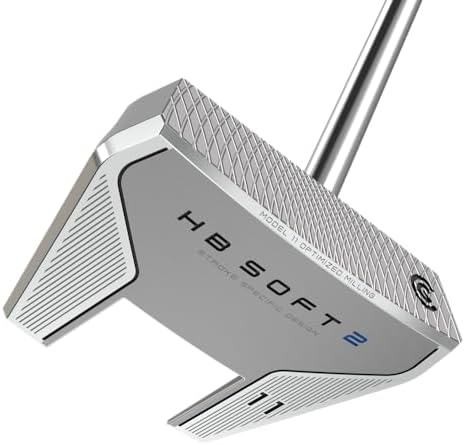
Cleveland Golf HB Soft 2 Putter (Model 11)
Mallet stability at the price point where most players should actually be shopping, simple shape that sets up square
Not the putter you buy to impress anyone in the group
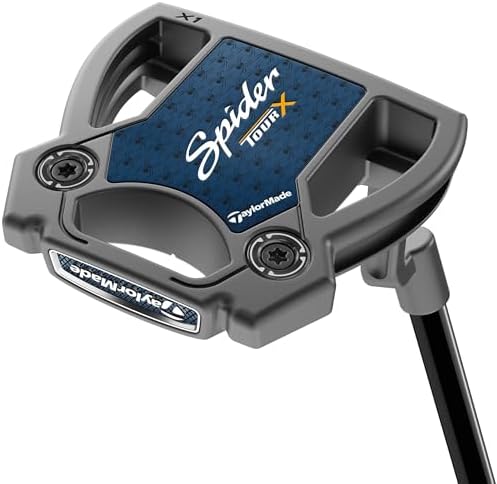
TaylorMade Golf Spider Tour X L Neck Putter
Spider forgiveness in a shape that suits players who release the toe, plus a hosel that gives you a familiar look at address
You are paying flagship money for feel and confidence, not for extra putts made
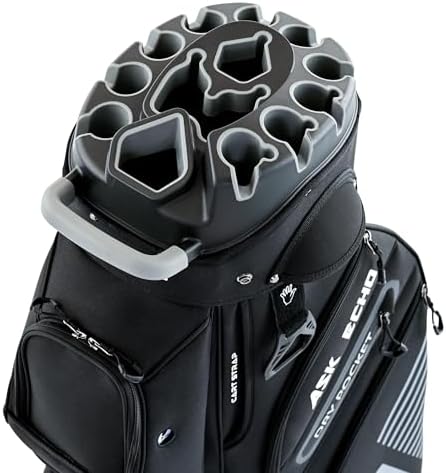
ASK ECHO T-Lock 3.0 Golf Cart Bag, Quiet 14-Way Full-Length Divider
Fourteen full-length dividers that actually keep grips from tangling, quiet in the cart, built for riders
It is a cart bag. If you walk, this is the wrong purchase entirely
Prices and availability were captured from Amazon Creators API and may change.
Start with what each item is actually for
Four products, four jobs. The green reader is a tool you use 18 times a round before you ever take the putter back. The putters are the tool you use 30 times a round. The bag is the thing that hauls both around and gets thrown into a truck bed 40 times a season.
Ranked by strokes saved per dollar, the order is roughly green reader, then putter, then bag. Ranked by how long you will own the thing, that order flips completely. The bag is the purchase you will still have when the green reader has been lost in a cart cup holder and the putter has been traded in twice.
So the honest framing is this. Buy the green reader because it is a rounding error and it changes how you see a putt. Buy a putter because you want a putter, not because you think a putter fixes a stroke. Buy the bag last, and buy the one that matches how you actually play, not how you imagine you play.
The green reader: the cheapest scoring tool on this list
Most amateurs read a green by standing behind the ball, squinting, and guessing. Then they miss low, because the break they "saw" was half the break that was there. A green reading aid does one job: it gives you a reference for slope so your eyes have something to argue with.
The SlopeMaster ProGreen Reader is a ball marker that doubles as a reading aid, which means it lives in your pocket and does two jobs instead of one. Mark the ball, get a look at the tilt, replace the ball, pick a line. No batteries, no setup, no app. That is the entire pitch, and it is a good pitch because the alternative is a $300 rangefinder with slope that is illegal in competition.
Here is the case for it in one sentence: nobody in your foursome will notice you bought it, and by the third hole you will be reading greens better than the guy who just spent four figures on irons. Visit on Amazon →
The trade-off is real, though. A reading aid tells you where the slope is. It does not tell you how hard to hit it, and it does not stop you from aiming three inches off. If your problem is speed control, this will not save you.
Cleveland Golf HB Soft 2 Putter (Model 11): the value pick
The Huntington Beach Soft 2 line is where Cleveland does its best work, and the Model 11 head is the shape I would hand to most players who ask me what to buy. It is a mallet, so you get the stability that comes with moving weight away from the face, and it sets up square without a lot of fiddling.
What matters more than the shape is the price bracket. This is the tier where the money goes into the head and the shaft instead of the badge on the sole. If you have been playing the same putter since high school and you three-putt more from misalignment than from bad speed, this is the upgrade I would point you toward first.
The honest criticism: it is not a special putter. Nobody picks it up off the rack and says "wow." It is a tool, and it looks like a tool. If you need the club to feel like an event every time you pull the headcover, this is not that club. Visit on Amazon →
Also worth knowing before you buy any putter: grips are the consumable. A putter grip is the cheapest part of the club to change and the fastest to wear out, especially if it lives in a hot car. Budget for a regrip eventually, and check whether the grip you want is one you can install yourself.
TaylorMade Golf Spider Tour X L Neck Putter: who the premium mallet is for
The Spider name has been on tour bags for years for one reason: it is one of the most forgiving mallet shapes ever put in production. The Tour X L Neck version pairs that head with a hosel that gives players who release the toe something familiar to look at, instead of the face-balanced, straight-back, straight-through setup that suits a different stroke entirely.
That is the whole decision. If you putt with a slight arc and you have never gotten comfortable with a big face-balanced mallet, the L Neck hosel is the reason to look here. If you are a straight-back, straight-through putter, this is probably not the model you want, no matter how good it looks.
What it does that the Cleveland does not: not much, in terms of holing putts. It offers a different feel, a different look at address, and the confidence that comes from playing the shape you have watched win on Sunday. That confidence is not nothing. It is just not measurable, and it is the most expensive thing in this article. Visit on Amazon →
The criticism I will level at premium putters generally: the price ladder in putters is steeper than the performance ladder. You are paying for materials, finish, and brand. That is fine if you know it. It is a problem if you are buying it to fix a pull.
ASK ECHO T-Lock 3.0 Golf Cart Bag: the purchase that outlasts the rest
A 14-way full-length divider bag solves a specific, annoying problem: club chatter and grips tangling when you pull a club in a hurry. Full-length dividers mean the shaft goes all the way down its own channel, so a 5-iron does not fight the wedge next to it. The "quiet" part of the name is aimed at the same issue. Fewer clubs knocking together means less rattle in the cart and less wear on your shafts and grips over a season.
The T-Lock 3.0 is built as a cart bag, which tells you what it is not. It is not a carry bag. If you walk most of your rounds, this is the wrong purchase, full stop, and no amount of pocket organization will change that.
For riders, though, this is the item on the list that will still be in service years from now. Bags fail at the zippers, the strap hardware, and the divider liner. Those are the three things I would check on any cart bag before buying, and they are the three things worth paying for. Visit on Amazon →
Cost of ownership: what breaks first
This is the part nobody puts in a buying guide, and it is the part I care about most.
On putters, the grip is the first thing to go. It is also the cheapest thing to replace, which makes a used or discounted putter a much better deal than people think. Buy the head you like, put the grip you like on it.
On bags, the failure order is predictable. Zipper pulls go first, then the liner at the divider openings, then the strap or the cart strap pass-through. A bag that uses real hardware instead of plastic clips buys you extra years.
On green reading aids, the failure mode is not mechanical. It is loss. It gets left on a green, it gets dropped in the cart, it goes through the wash in a pocket. That is an argument for buying a marker you will not mourn.
Who should buy which
The player who three-putts from 20 feet: the SlopeMaster ProGreen Reader. Cheapest fix on the list.
The player with a 15-year-old putter and no idea why they miss left: the Cleveland Golf HB Soft 2 Putter (Model 11). Mallet stability, sensible price bracket.
The player who arcs the putter and wants the shape they see on TV: the TaylorMade Golf Spider Tour X L Neck Putter. Buy it for the look and the release pattern, not for a promise.
The rider who is tired of untangling grips every hole: the ASK ECHO T-Lock 3.0. Buy it once and forget it.
The trade-offs I would not ignore
The green reader is a reference, not a caddie. It will not read speed for you.
The value putter is not a status symbol, and if you need one, you will talk yourself out of it.
The premium putter will not make putts for you. Nothing in this article will.
The cart bag is heavy and it is a commitment to riding. If you walk half your rounds, buy a carry bag instead and spend the difference on the green reader.
Bottom line
If you want the single highest-return purchase in this comparison, it is the least expensive one. A precision green reader changes the information you have before every putt, and it costs less than a dozen premium golf balls.
If you want one club to buy this season, make it the Cleveland Golf HB Soft 2 Putter (Model 11). It is the putter I would hand to most players who walk in asking what to buy.
The TaylorMade Spider Tour X L Neck is the right answer for a narrower group, and the ASK ECHO T-Lock 3.0 is the right answer for anyone who rides and is tired of club rattle. Neither one is a mistake. They are just not the first thing your money should do.