Related: How to Clean Golf Clubs Without Wrecking the Grips
I spent six years behind the counter of a big-box golf store, fitting clubs and fixing them, and the lesson that stuck is how little of a club's sticker price has to do with how it plays. That is the lens I use on everything here, from a golf speed system driver down to the towel clipped to your bag. The driver is where the marketing budget lives. The towel and the bag cover are where players either overspend on nothing or underspend on something they will replace twice a season.
Here is the framing up front. A towel that comes off your bag on the second hole is not a small problem, it is a lost towel. A bag cover that is thinner than it needs to be tears at the drawstring the first winter it spends in a garage. And a driver with the wrong shaft flex is slower than the one you already own, no matter what the box says.
So this guide covers four picks: two listings in the Speed System driver line, a three pack of towels, and a two pack of bag covers. I judge all of them the same way. What does it do, what breaks first, and what does it cost to live with. Where I am working from specs and price position rather than months of my own use, I will say so.
Best Overall: Speed System Golf Driver
Start here if you are shopping the mid-range driver bracket and you want the whole system rather than just a head. The Speed System name is doing real work in the listing. The pitch is that distance comes from the combination of head, shaft, and where the weight sits, which is exactly what a fitter tells you after an hour on a launch monitor. Shaft flex matters more than the logo on the head. I have said that for years and I will keep saying it.
Four things I would check before this goes in the cart:
- Loft. Most players fit into a 10.5 or 12 degree head, and going lower than you can actually launch costs you carry. If the listing only carries one loft, that is your answer.
- Shaft flex. If you are between regular and stiff, the softer one is usually the better miss. A stiff shaft you cannot load feels like work.
- The adapter. This is the one that gets people. If the hosel takes a proprietary adapter, a shaft you already own will not drop in without a new tip, and that turns a cheap experiment into an expensive one. Look at the listing photos and ask before you buy.
- The grip. Check what it ships with. A regrip is the cheapest real upgrade in golf, and it is the first thing I would change on a driver I plan to keep.
What does it cost to live with? Regripping is cheap and you can do it at the kitchen table. Reshafting is not. If the head takes a standard adapter, you have options two years from now. If it does not, you are married to it.
The Second Listing: How to Tell the Two Apart
Two listings, one product name. That happens a lot in golf, and it is worth understanding before you click buy.
When the same model name shows up on two listings, the difference is almost always in the options: loft, flex, handedness, or which seller is shipping it. Do not assume the two are the same club in the same spec. Open both, read the variation menu on each one, and compare the spec lines side by side. If you need a 10.5 in regular and one listing only stocks a 12 in senior flex, the decision made itself.
If both listings carry your spec, buy from the one with the better return terms. A driver you have never hit is a driver you might send back, and return window and restocking policy matter a lot more on a driver than on a towel. That is not a knock on the club. It is just how buying a club you cannot demo works.
Also check shaft length and shaft weight on both listings. A longer shaft adds clubhead speed on paper and costs you center contact in practice. If one listing ships a longer build, know that going in.
Best Value: Husfunov 3 Pack Golf Towels
Three towels, 16 by 16 inches, each with a carabiner clip. The clip is the whole reason this makes the guide. I have snapped more string lanyards than I can count, including one on a brush that cost more than this entire three pack. String frays, knots, and then disappears somewhere between the ninth green and the cart. A carabiner does not.
Sixteen by sixteen is the right size. Big enough to wrap around a wet grip and scrub grooves, small enough that it is not dragging on the ground when you bend over to read a putt. Three of them means one on the bag, one on the pushcart, and one in the wash. That rotation is what keeps a towel from turning into a mud brick by August.
Wash them hot and skip the fabric softener. Softener coats the fibers and kills absorbency, which is the only job a towel has. Check the listing for the material and for whether the clip is metal or plastic. If it is plastic and you are hard on gear, a metal clip is a cheap swap.
Best for Storage: Klmnop 2 Pack Golf Bag Cover
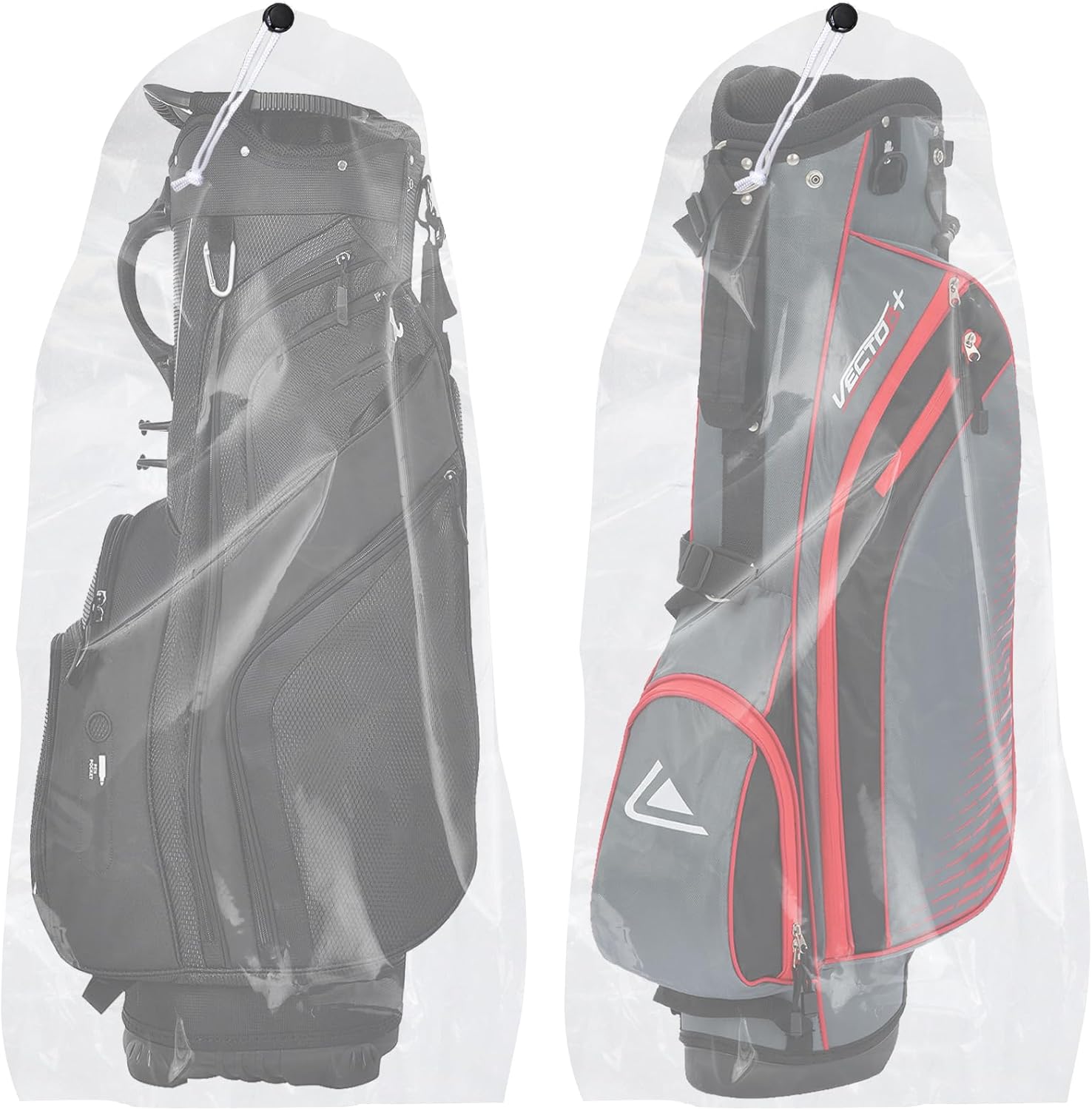
Thirty-one inches by 62 inches, drawstring closure, 4 mil clear plastic, two per pack. This is the unglamorous pick and it is the one I would buy first if your bag lives in a garage, a shed, or a hot car.
Four mil is the number that matters. The thin covers that come free with a bag tear at the drawstring and along the fold lines within a season, and then you are back to a dusty bag and a headcover full of grit. Scottsdale dust gets into everything, and a clear cover lets you see which bag is which without unzipping anything.
Sixty-two inches is long enough for a full stand bag or cart bag with clubs in it. The 31 inch width is generous for a standard carry bag. If you carry a staff bag, or you leave the headcovers on and the bag is stuffed, measure before you order. Two per pack covers the gamer and the backup set in the corner of the garage, and the clear plastic is useful for anything else you want to keep dust off.
How I judge this kind of gear
Four questions, every time.
What does it do that the cheap option does not? If the answer is nothing, I say so. If the answer is a carabiner instead of a string loop, that is a real answer, because that is the part that fails.
Will it survive a season bouncing around in a bag or sitting in a garage? Thickness, stitching, and hardware tell you most of that before you buy.
What breaks first, and can I fix it cheaply? On towels it is the clip. On covers it is the drawstring and the fold lines. On drivers it is the grip, then the shaft.
Would I still recommend it after six months? That is the test that matters, and it is the one I cannot shortcut. Where I am going on specs and price position rather than my own long term log, I flag it. That is the deal.
Analysis: what the numbers actually mean
Sixteen by 16 is a real spec, not a marketing number. Towels in the 12 inch range are too small to wrap a grip. Oversized towels drag and pick up mud. The three pack structure is the value, because the rotation is what keeps one clean.
Four mil is roughly twice the thickness of the flimsy covers that ship with bags. Thickness is the whole durability story on plastic, and the drawstring closure is what keeps dust from settling in from the top. Clear plastic is a small thing that saves time.
On the driver, loft and flex beat every other number on the page. A 12 degree head with a shaft you can actually load will beat a 9 degree head with a shaft you cannot, every time. The two listings mean you should read the options rather than assume, and the adapter question is the one that decides what this club costs you two years from now.
What I would skip: anything in this bracket marketed as tour proven. No tour player is playing a towel, and the driver at this price is not on tour either. That is not an insult. It is just marketing doing what marketing does.
The golf bag gear reference table
This is the table I keep when I am putting together a bag for someone. Read the "what to check" column before you buy anything.
| Product | What it is | Who it is for | What to check | Where to buy |
|---|---|---|---|---|
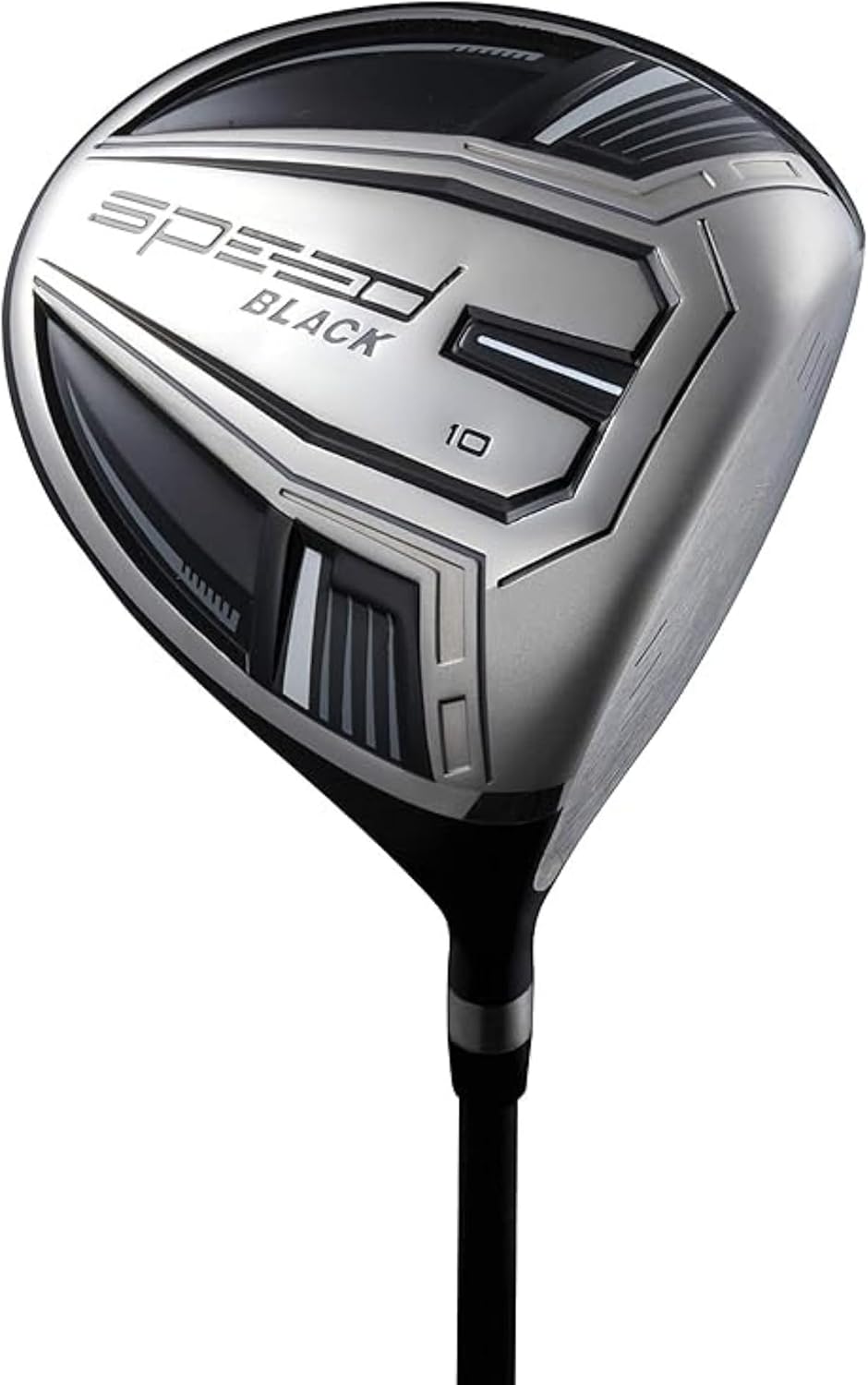 Visit on Amazon → Visit on Amazon →Speed System Golf Driver, first listing |
Driver | Players shopping the mid-range driver bracket | Loft, shaft flex, hosel adapter type | Visit on Amazon → |
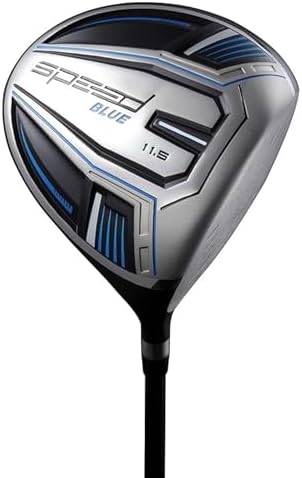 Visit on Amazon → Visit on Amazon →Speed System Golf Driver, second listing |
Driver | Same bracket, different option set | Compare the variation menu against the first listing | Visit on Amazon → |
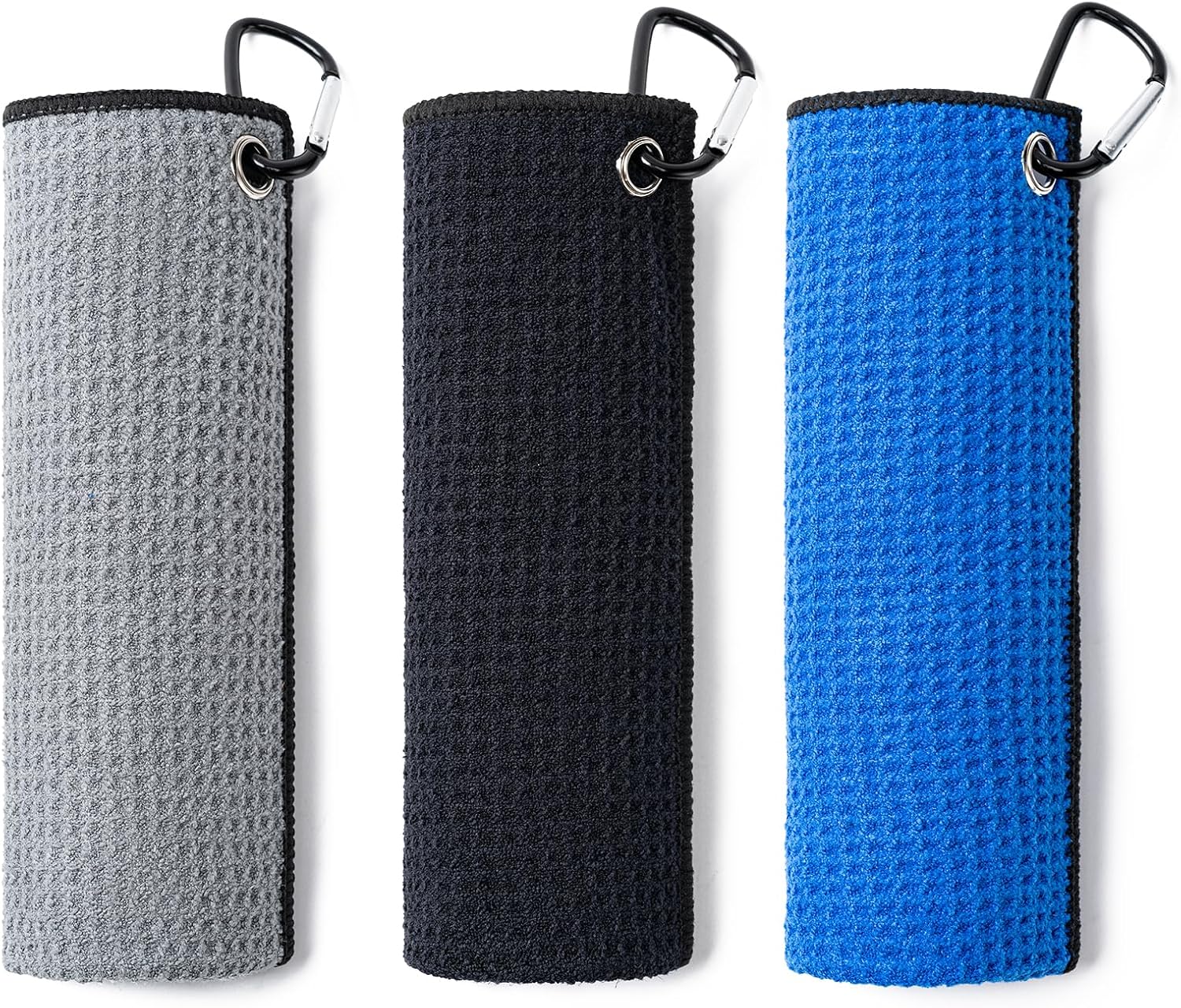 Visit on Amazon → Visit on Amazon →Husfunov 3 Pack Golf Towels |
Three 16 by 16 towels with carabiner clips | Anyone whose towel keeps leaving the bag | Clip material, towel material | Visit on Amazon → |
 Visit on Amazon → Visit on Amazon →Klmnop 2 Pack Golf Bag Cover |
Two 31 by 62 inch 4 mil covers with drawstring | Bags that live in a garage, shed, or car | Measure your bag if it is a staff bag | Visit on Amazon → |
Should you buy the Speed System Golf Driver?
Yes, if you are in the mid-range driver bracket and you want the whole system rather than a head. Check which listing carries your loft and flex first, because the same model name shows up twice and the options are not guaranteed to match. Then check the adapter, because a proprietary one means the shaft in your garage will not drop in without a new tip. If the spec lines up, this is the kind of club that gets you into a modern driver without paying for a name.
Should you buy the Husfunov towels?
Yes. The carabiner is the reason. Sixteen by sixteen is the size that works, the three pack means one is always clean, and this is the cheapest fix for the towel problem in your bag. Just check the clip material if you are rough on gear.
Should you buy the Klmnop bag cover?
Yes, if your bag lives anywhere that collects dust. Four mil with a drawstring is the version that lasts past one winter, and two per pack covers the backup set too. Measure a staff bag before ordering.
What I would buy first
If you are starting from nothing, the towels. They are the cheapest item here, they solve a problem you have every round, and the carabiner means you will not be hunting for one in the parking lot next season. Then the bag cover, because protecting the bag you already own is cheaper than replacing it. The driver last, and only after you have read both listings and confirmed the loft and flex are what you actually need.