I spent six years behind the counter at a big-box golf store, fitting clubs, regripping grips, and watching the markup math happen in real time. In that stretch, the question I answered more than any other was not "which driver is longest." It was "what do I buy first?"
That question is what this comparison is built around. When I lined up the TaylorMade SIM2 Max gear and the storage piece below, I did not rank them by how impressive they look in a bag. I ranked them by how much they change a score, how long they last, and what they cost to keep alive after the receipt clears. A driver and a garage rack do not compete for the same dollar, but they compete for the same paycheck, and that is a real decision for most of us.
Here is the short version.
If you are replacing everything, the SIM2 Max full set is the better first buy. If your irons already fit you, the SIM2 Max driver is the upgrade. Distance+ balls are the cheapest way to notice a difference this weekend. And the two-bag garage rack is the only item here that will never lower your score and will still be the one your household thanks you for.
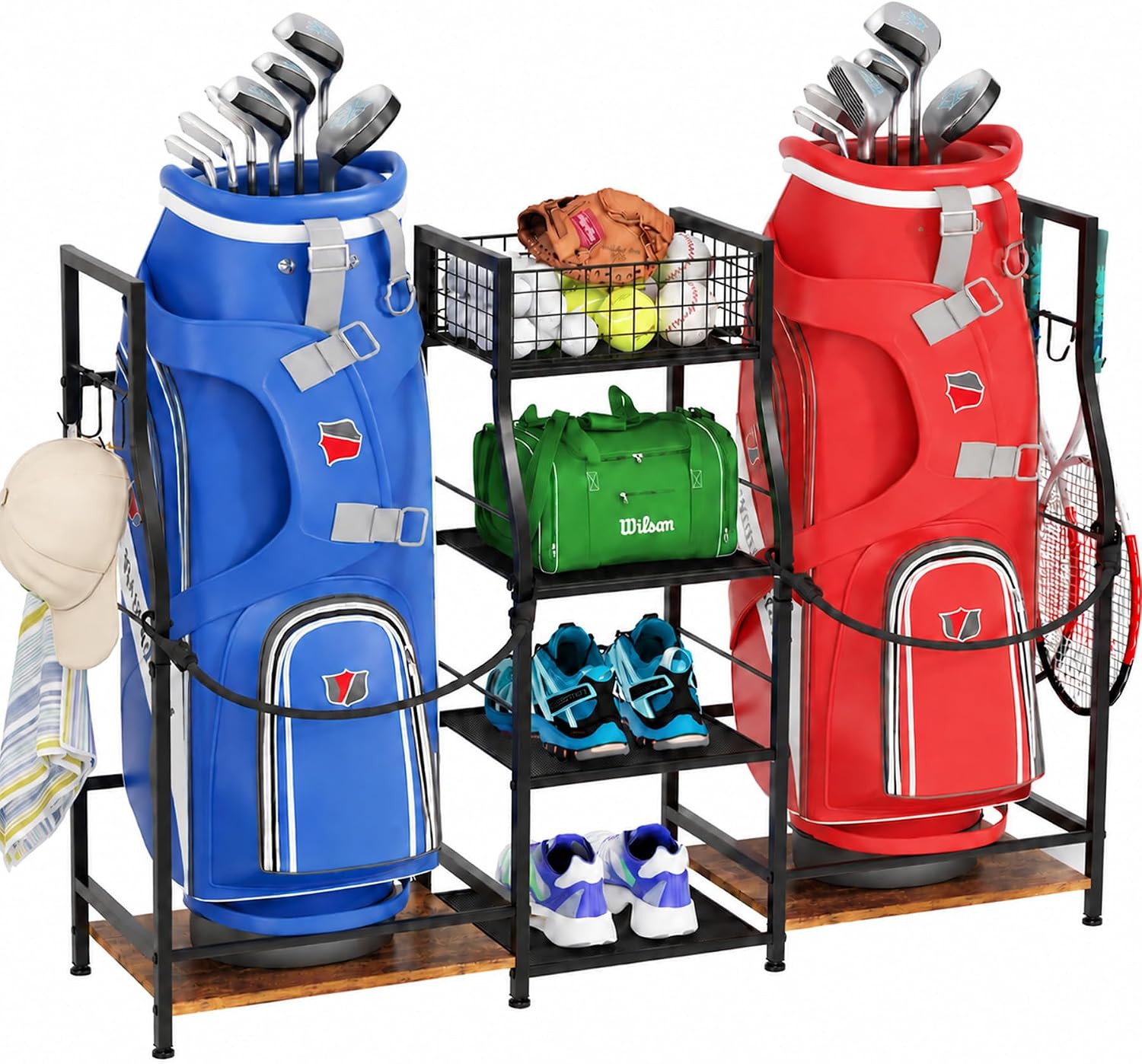
Jsskeeim Golf Bag Storage Organizer
Holds two bags off the concrete, keeps heads and grips out of the walkway, asks nothing of your swing
It is storage, not scoring. If your garage is already organized, cut this first
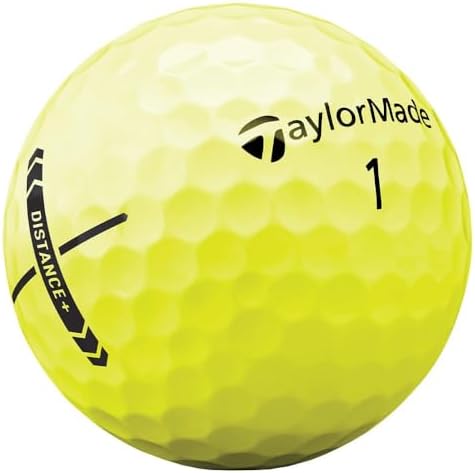
TaylorMade Golf Distance+ Golf Balls
The only item here you will buy again next month, and the cheapest way to change how the ball flies
Distance-first construction gives up greenside bite, so it is a trade, not a free upgrade
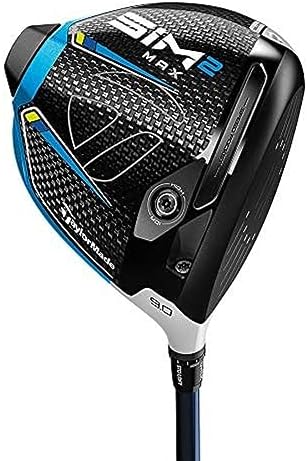
TaylorMade Golf SIM2 MAX Driver
One club that moves the ball farther than anything else in the bag, and the one most worth fitting to your speed
A large share of the budget for a single club, and it will not fix a slice on its own
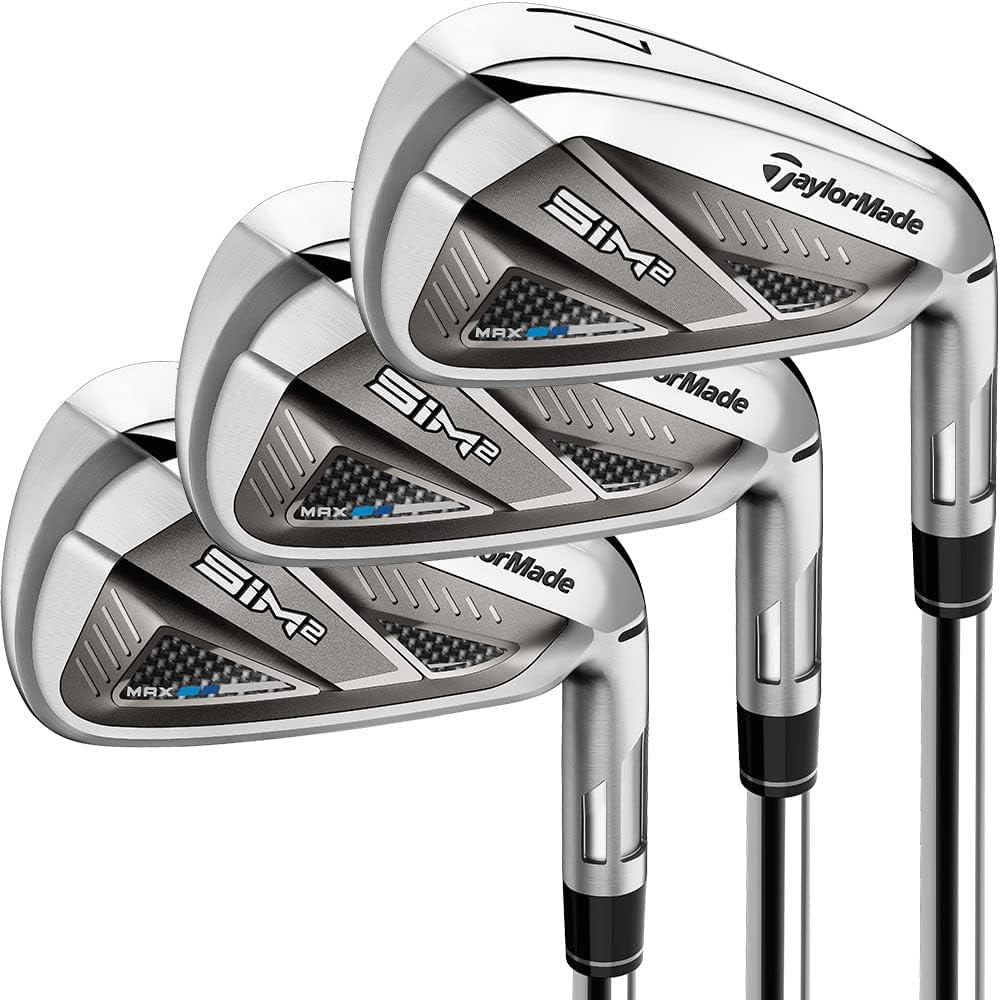
TaylorMade Men SIM2 Max Golf Clubs
The fastest route from a mismatched pile of clubs to a playable bag with one consistent feel
The biggest single outlay in this group, and you should confirm exactly what is in the box
Prices and availability were captured from Amazon Creators API and may change.
How I judge gear like this
I do not trust a launch monitor session on day one, and I do not trust a sticker that says "tour proven." Six years of fitting taught me that the club head is rarely the problem. Shaft weight, shaft flex, lie angle, grip size, and length do more to change ball flight than the badge on the sole, and those are the things nobody advertises because they are not photogenic.
So my test for any purchase is simple. What does it do that the cheap option does not? Will it survive bouncing around in a bag or a garage for a season? What breaks first, and can I fix it without mailing anything anywhere? And would I still recommend it after six months of real rounds and real weather?
Those questions rank the four products below in a specific order, and that order is the useful part.
The garage rack: the only purchase here with zero swing thoughts
Jsskeeim Golf Bag Storage Organizer, built to fit two golf bags
Bags that live on the garage floor get stepped on, backed over, and leaned against a wall until the zippers give up. I have watched people replace a perfectly good bag because it spent two winters under a workbench. A rack is not glamorous, and it will never help you hit a 7 iron, but it is the cheapest way to make the gear you already own last longer.
What I would check before buying, in order. First, does the footprint actually clear your garage door track when the door is up? Second, are the uprights steel or plastic, because a loaded cart bag with a full set of clubs is not light. Third, is the base wide enough that two bags sit side by side without leaning into each other, and does the hardware come in the box or is that a separate trip to the store. Fourth, does it sit on feet or casters, because casters are wonderful until one of them flat spots under load.
The cost of ownership here is close to nothing. There is no grip to replace, no shaft to reshaft, no adapter to strip. If the finish fails in a humid garage, you are looking at surface rust, not a repair bill. That is about as safe as golf money gets.
The trade-off is honest: this is a storage purchase, not a scoring purchase. If your garage is already tidy, put this money into the next item on the list instead. It also earns its keep as a gift for the golfer in your life who owns everything and has nowhere to put it.
The golf balls: the one line item you will buy again
TaylorMade Golf Distance+ Golf Balls
The ball is the most ignored piece of equipment in golf and the only one you replace on a schedule. You buy a driver once and complain about it for five years. You buy balls every few weeks and never think about them.
A distance-first ball is built to fly and roll, which is exactly what a player fighting for every yard off the tee wants. It is also the item in this comparison that lands at the lowest end of the price ladder, which matters because you will purchase it again next month. The trade-off is real and I will not pretend otherwise: distance-first construction gives up some bite around the greens compared to a softer, higher-spinning ball. If your game is built on chips that check up, you will feel the difference.
Here is the part most players skip. Clean grooves are free spin. A scuffed ball and packed grooves cost you more control than any ball upgrade can buy back, and the fix costs less than a box of balls. If you are going to spend money on golf this month, spend it on something that stays clean.
My advice with any ball is to pick one and stay with it long enough to dial in your carry distances. Knowing your 8 iron flies 148 and not 155 is worth more than any logo on the cover. Switching balls every time you find a sale resets that knowledge to zero.
The driver: one club, most of the attention
TaylorMade Golf SIM2 MAX Driver
The "Max" badge in TaylorMade's lineup has traditionally marked the more forgiving head shape in the family, which is the version most recreational players should be looking at. Forgiving means the ball still gets up and out there on the strikes you would rather not talk about. That matters more to a player shooting in the 90s than any low-spin tour head ever will.
What actually matters when you buy a driver is not the marketing. It is loft, shaft weight, shaft flex, and playing length. A driver that is two degrees too little loft for your swing speed will cost you carry no matter how good the head is. A shaft that is too stiff or too light will cost you consistency. This is the same reason I tell people to get fit before they buy, and it is also the reason I tell them not to buy a driver at all if their current one is only a few years old and reasonably matched to their swing.
The cost of ownership on a driver is where the hidden money lives. Grips wear out in a season or two. Adapters strip if you swap shafts carelessly. Reshafting is a real expense, and a shaft upgrade can cost as much as the head did. I have rebuilt enough clubs to know that what is inside the head matters far less than what is bolted to it. The driver is also the single largest line item here after the full set, so if you are buying one club this season, make it count.
One honest caveat: a new driver does not fix a slice. It might reduce the punishment on a heel strike, but the swing still owns the ball flight. If your miss is a big curve, a lesson costs less than this club.
The full set: the fastest way to a playable bag
TaylorMade Men SIM2 Max Golf Clubs
If you are starting from nothing, or from a pile of clubs that do not match in age, brand, or shaft, a full set solves a problem that buying one club at a time cannot. Everything in the bag was designed to work together, which means one consistent look at address and one consistent feel through the set. That consistency is worth more than most people realize. Golf is hard enough without re-learning your setup every other club.
A full set is also the biggest single outlay in this comparison, so read the listing carefully and confirm what is actually included: how many clubs, which ones, and whether a bag comes with it. Package sets vary more than the product names suggest, and the difference between a set with a driver and one without is a real dollar difference.
Cost of ownership is where a set like this can surprise people. You are regripping eight to eleven clubs instead of one, and that adds up when the grips go slick. Shafts can be replaced individually if one breaks, which is the advantage of buying a set over a matched iron build. And because the whole bag shares a shaft profile, if that profile does not suit your swing speed, you feel it across every club rather than just one.
If you already own irons that fit you, this is not the right purchase. Buy the driver, or buy balls and a rack, and keep the money. If you own nothing, this is the shortest path from "I want to play" to "I am playing on Saturday."
What breaks first, and what it costs
Grips go slick before anything else, usually after a season or two of regular play, and they are the cheapest fix in golf. Shafts break at the hosel, almost always from a bad lie or a bad temper. Adapters strip when someone swaps heads without cleaning the threads. Bag zippers fail before the fabric does. Rack hardware rusts in a humid garage long before the frame bends. Balls scuff on cart paths and lose whatever spin they had.
That list is the reason I tell people to buy two of anything cheap that breaks, and to think hard before buying one expensive thing that cannot be repaired locally. A club you can regrip and reshaft at a shop down the street has a longer life than one that has to be shipped somewhere. This is also why I care more about standard, serviceable parts than about any single performance claim.
Which one first
- Full set, if you do not own a playable bag. Everything else can wait.
- Driver, if your irons fit you and your driver is old enough that you have stopped trusting it.
- Balls, whenever you are running low, because they are a consumable and you should not be making a purchase decision about them at all.
- Garage rack, last, unless the garage is genuinely the problem.
What I would skip
Skip the rack if your bags already have a home. Skip the driver if you have never been fit, because you will spend the money twice. Skip the balls if you already play one ball consistently and like it. Skip the full set if your irons fit and only the long end of your bag is a mess.
That is the whole point of a comparison like this. Not every product earns its place in the same order, and the order changes depending on what is already in your bag. The full set is the biggest commitment and the biggest shortcut. The driver is the most exciting purchase and the one most likely to disappoint if you buy it without a fitting. The balls are the cheapest and the most repeated. The rack is the one nobody thinks about until a bag falls on the garage floor.
Buy in the order your bag actually needs, not the order the marketing suggests, and you will spend less and play better. That has been true every year I have been around this game, and it will be true after the next round of new releases arrives.